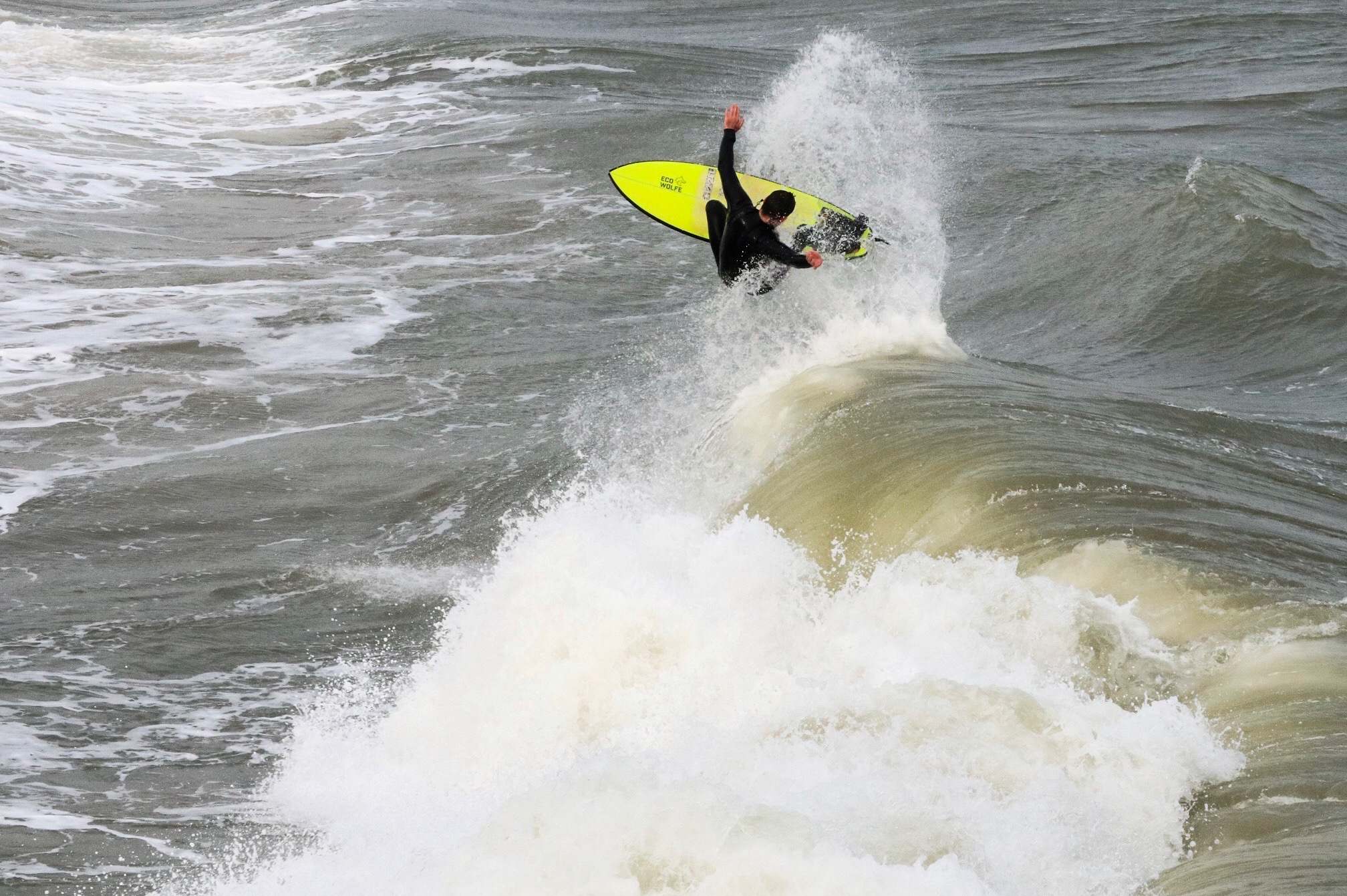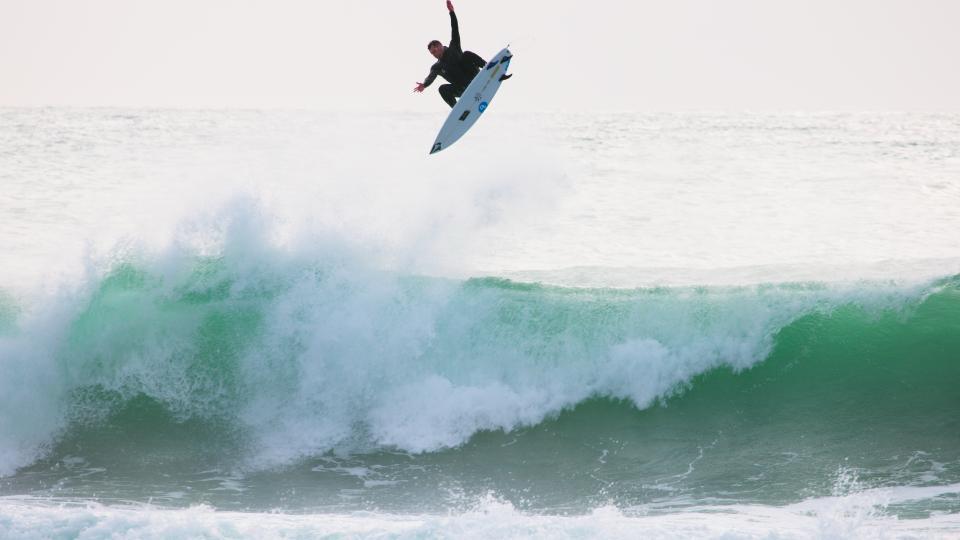
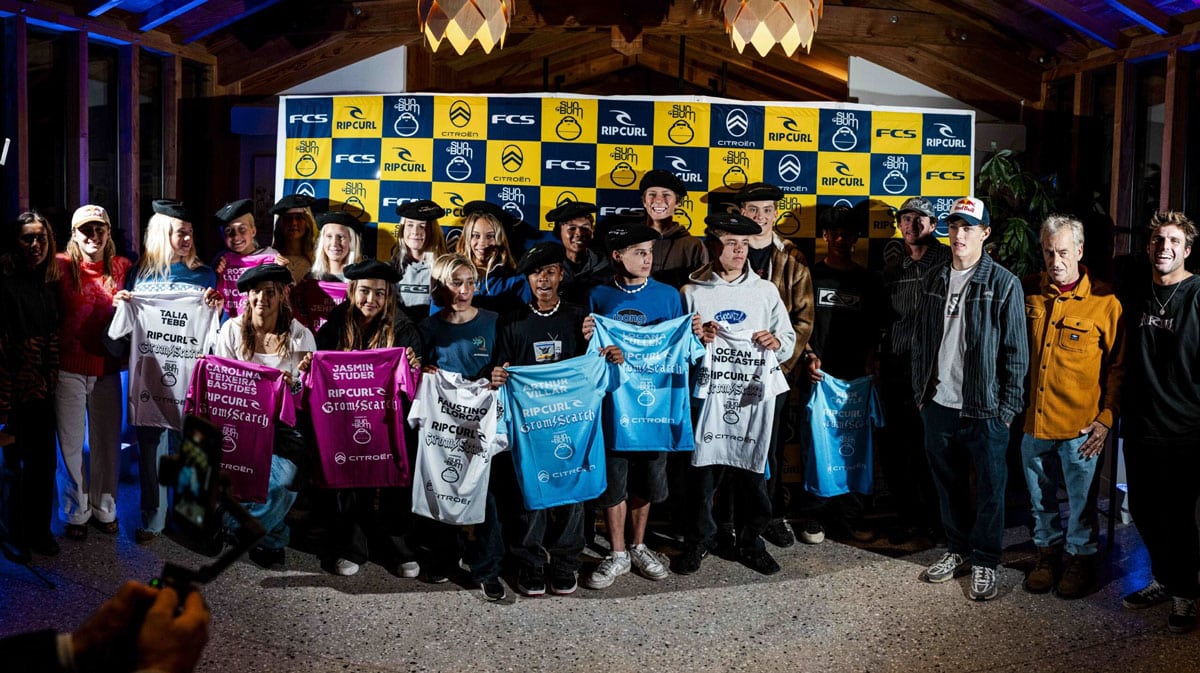
Rip Curl GromSearch

Rip Curl GromSearch

Who will be crowned Rip Curl GromSearch champions in 2026?

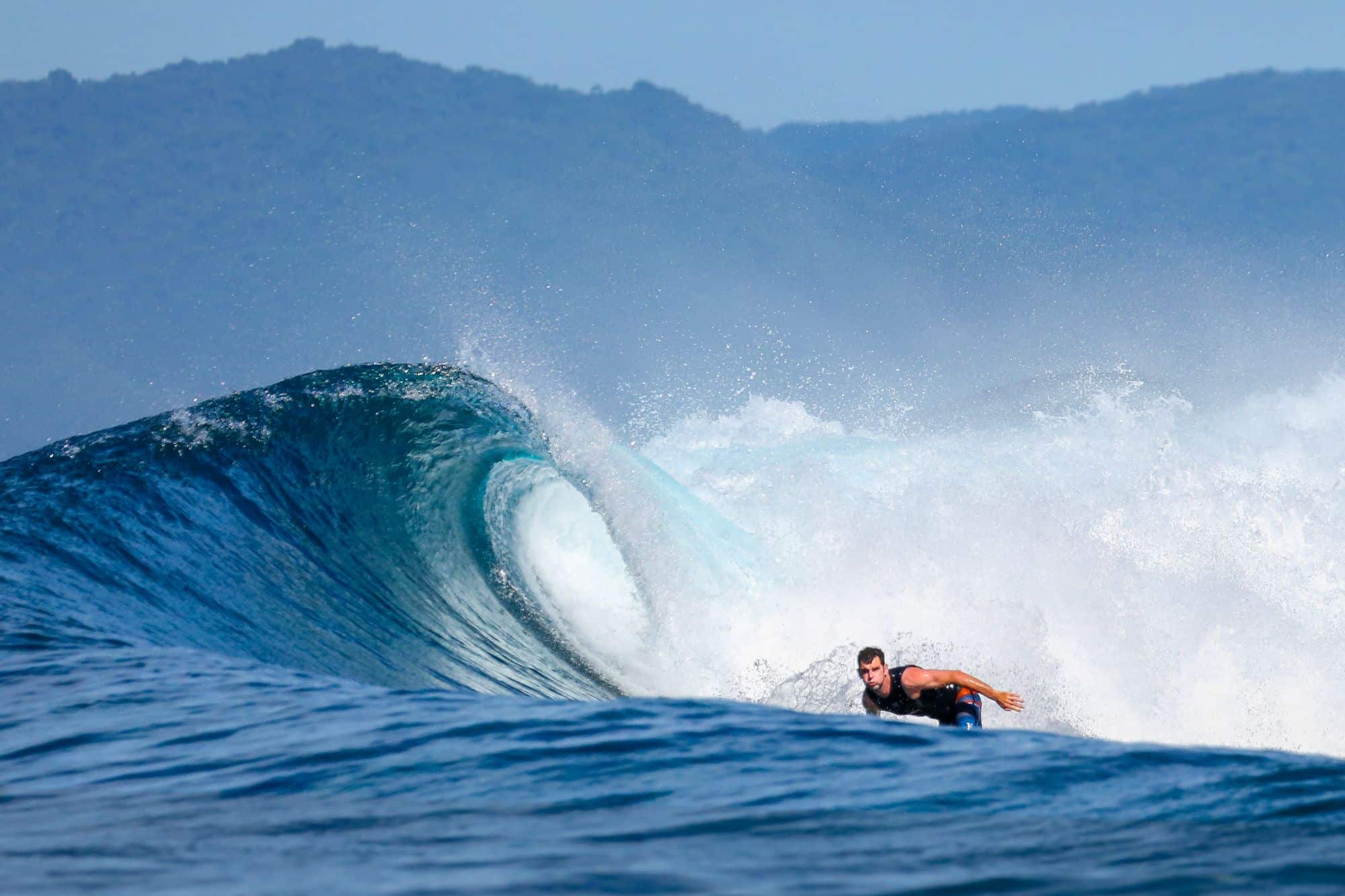
Following an incredible 2025 season, the world renowned competition series dedicated to the planet’s best young surfers is back across the globe.

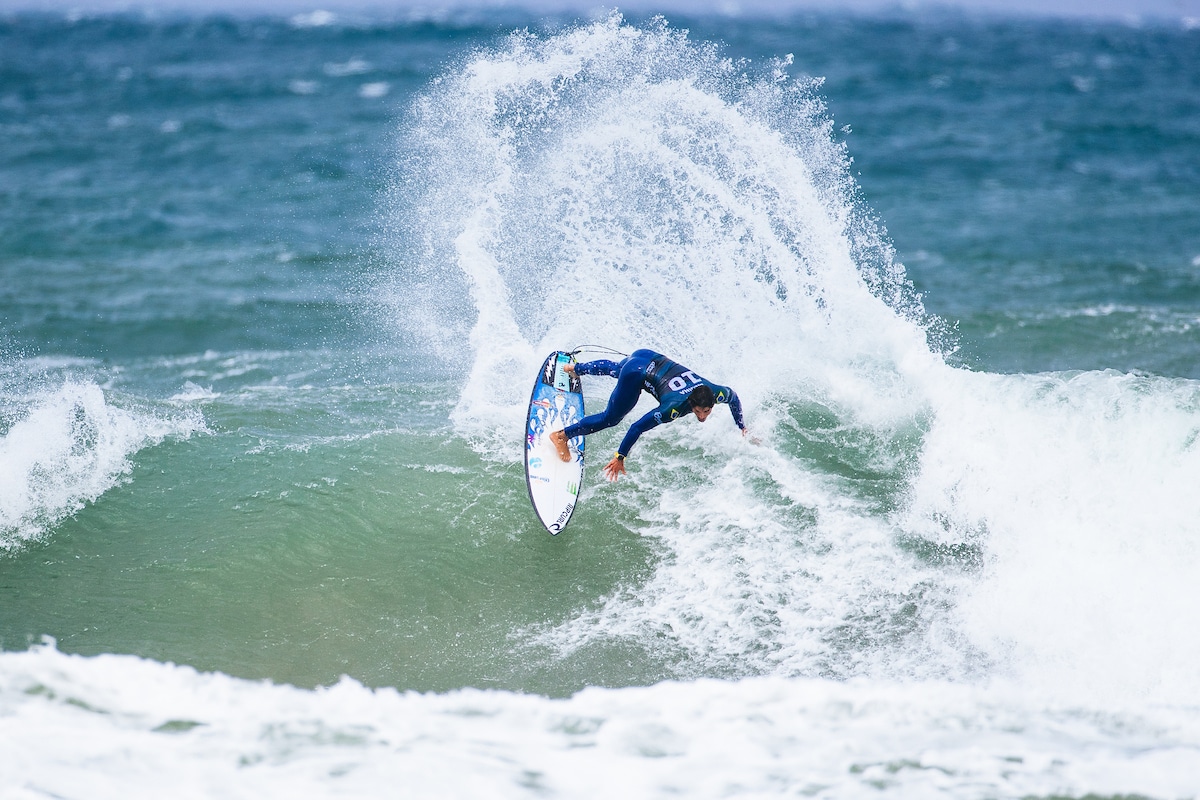
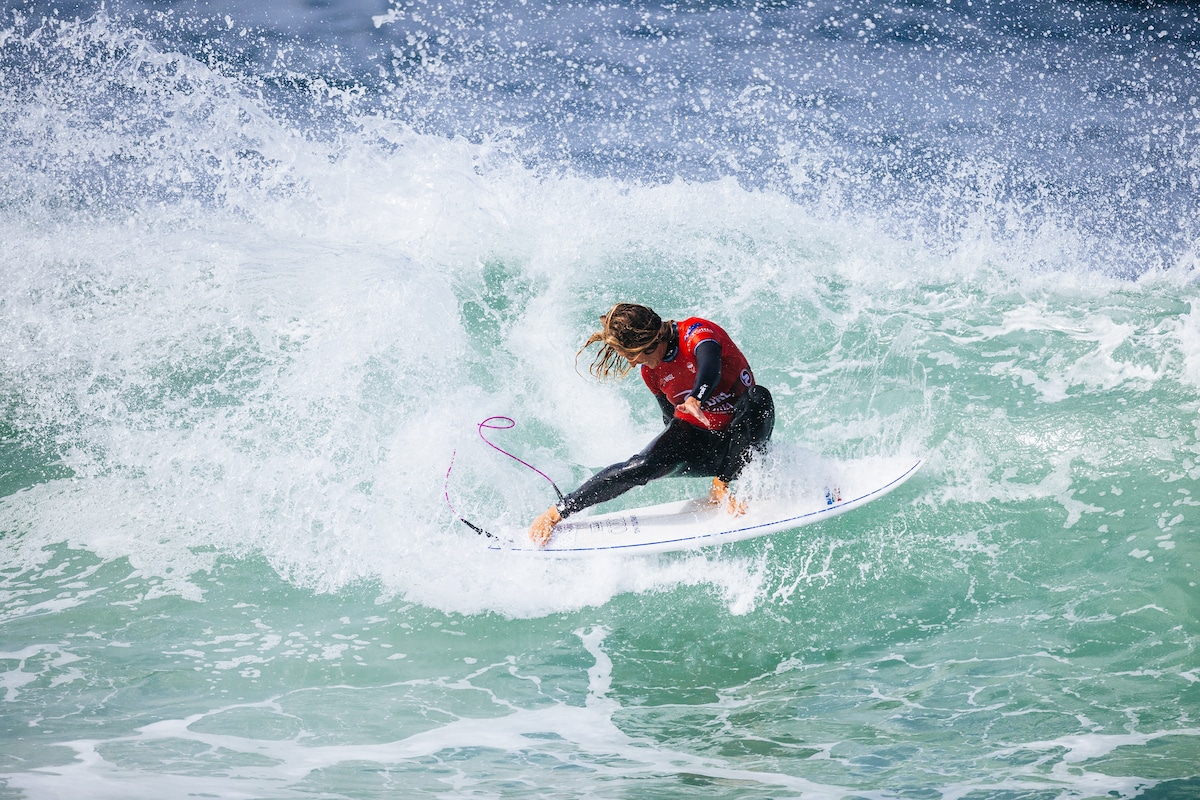
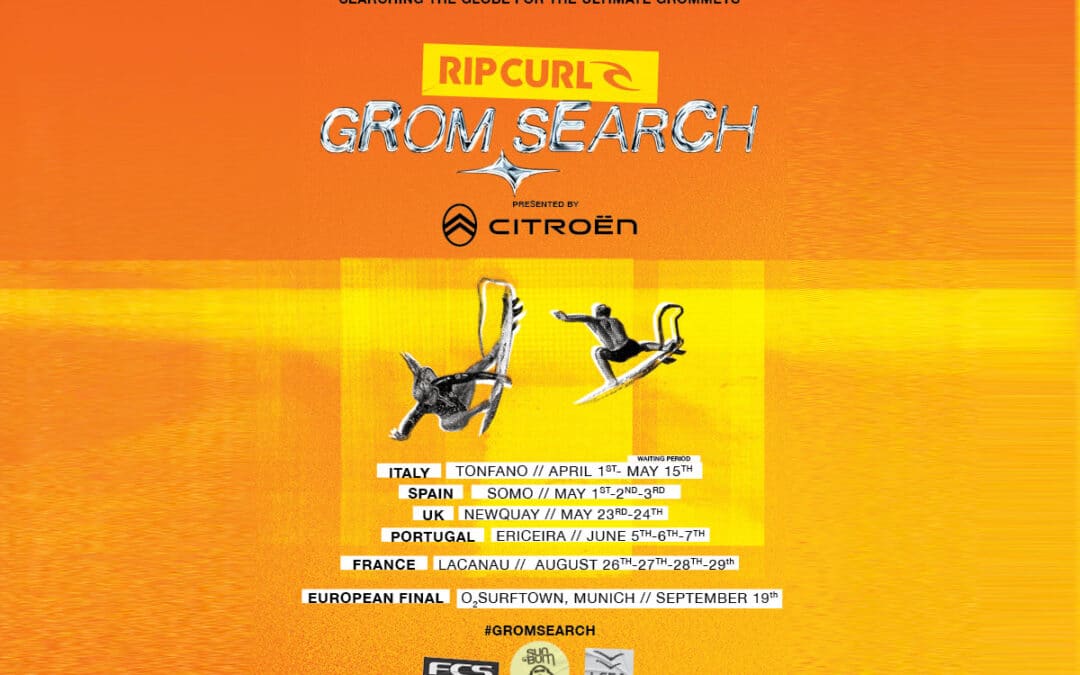
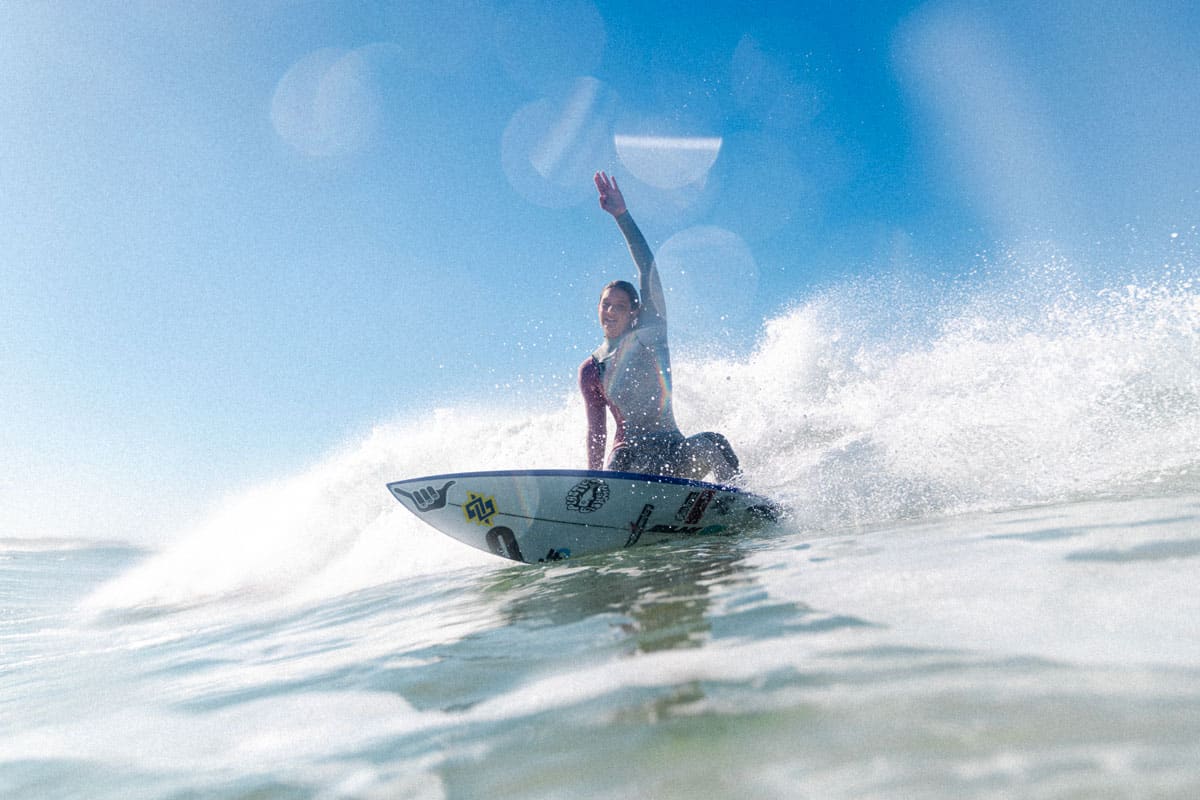
In Europe, the circuit will feature five events, leading to the European Final. The two Under 16 winners will earn their place to face the best surfers from each region at the Rip Curl GromSearch International Final.
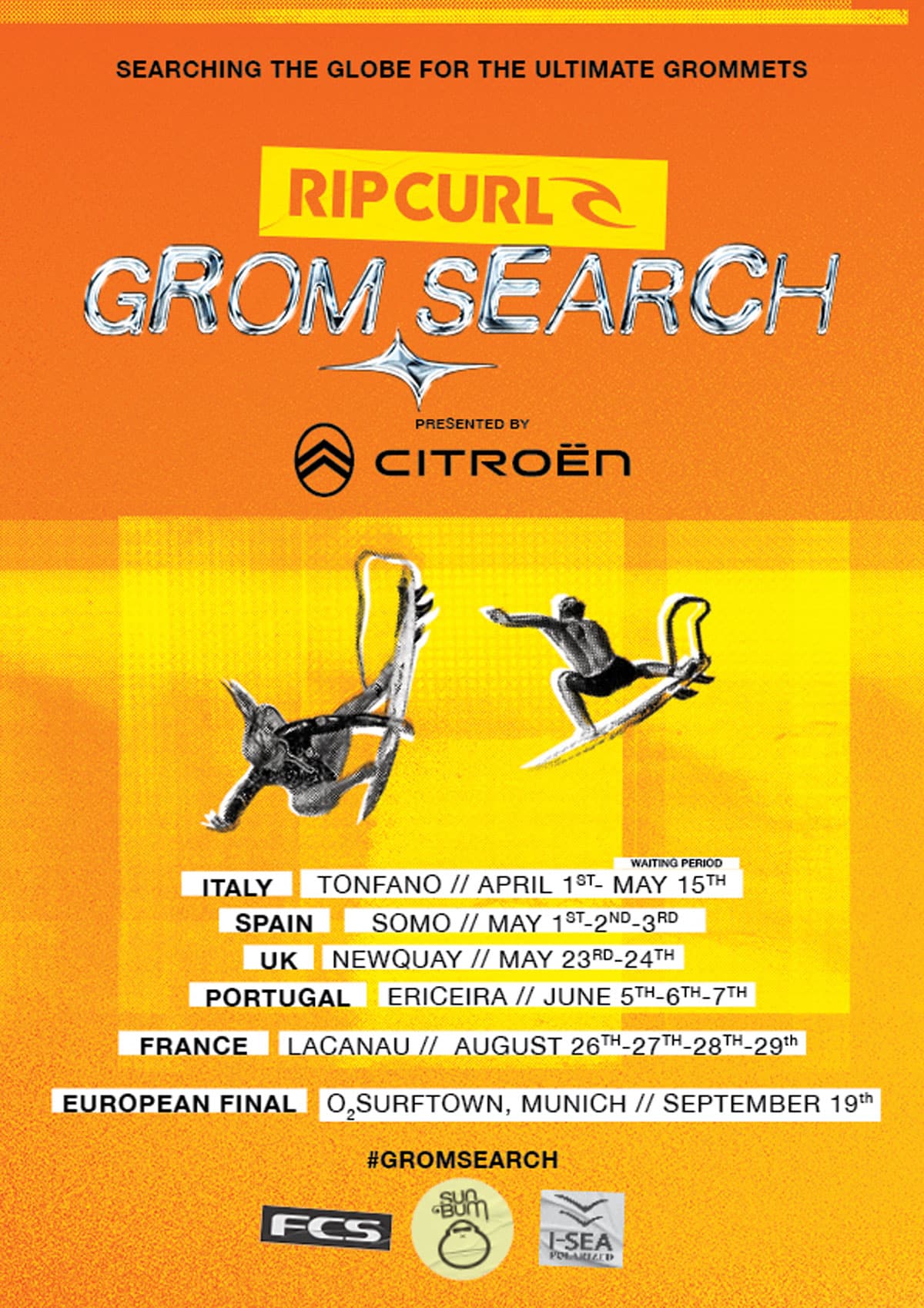
European event calendar

• 1st event: Tonfano, Italy (Waiting period from April 4 to May 15)
• 2nd event: Somo, Spain (May 1 to 3)
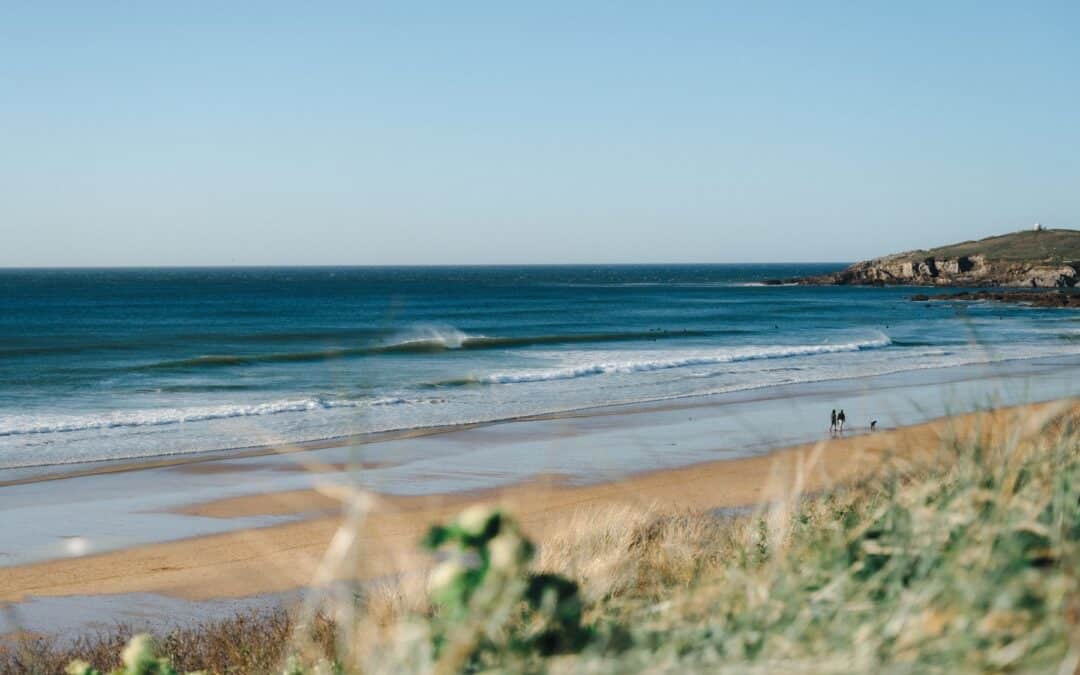
• 3rd event: Newquay, United Kingdom (May 23 and 24)
• 4th event: Ericeira, Portugal (June 5 to 7)
• 5th event: Lacanau, France (August 26 to 29)
• European Final: O2 Surftown Munich, Germany (September 19)

Last year, the Rip Curl GromSearch International Final took place in France, in the Landes region. Two Australians, Ocean Lancaster and Eliza Richardson, claimed victory on the Santocha break in Capbreton.
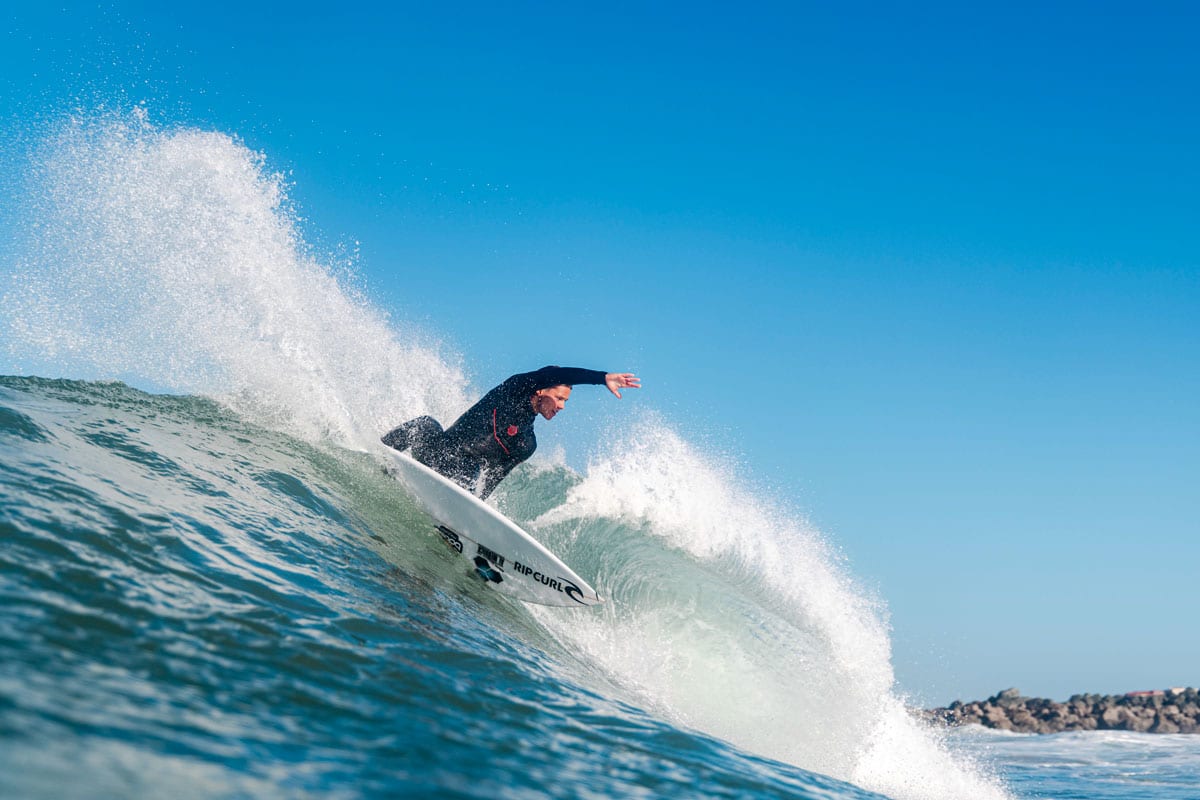
Wildcards may also be awarded to young talents from countries where the GromSearch is not held, or to those who did not have the opportunity to participate.
Since its creation in 1999, the Rip Curl GromSearch has revealed many of today’s leading figures on the world stage. Former competitors include multiple WSL World Champions and Olympic medallists such as Gabriel Medina, three time World Champion, Stephanie Gilmore, eight time World Champion, as well as Kauli Vaast and Caroline Marks, Olympic Champions in 2024.

Competition categories

Boys
• Under 16
• Under 14
• Under 12

Girls

• Under 16
• Under 14
• Under 12

Thank you to the European Rip Curl GromSearch sponsors for their support: Citroën, SunBum, I Sea and FCS, as well as all partners, federations and surf schools who help make this circuit possible.
50th Year of World Tour

50th Year of World Tour

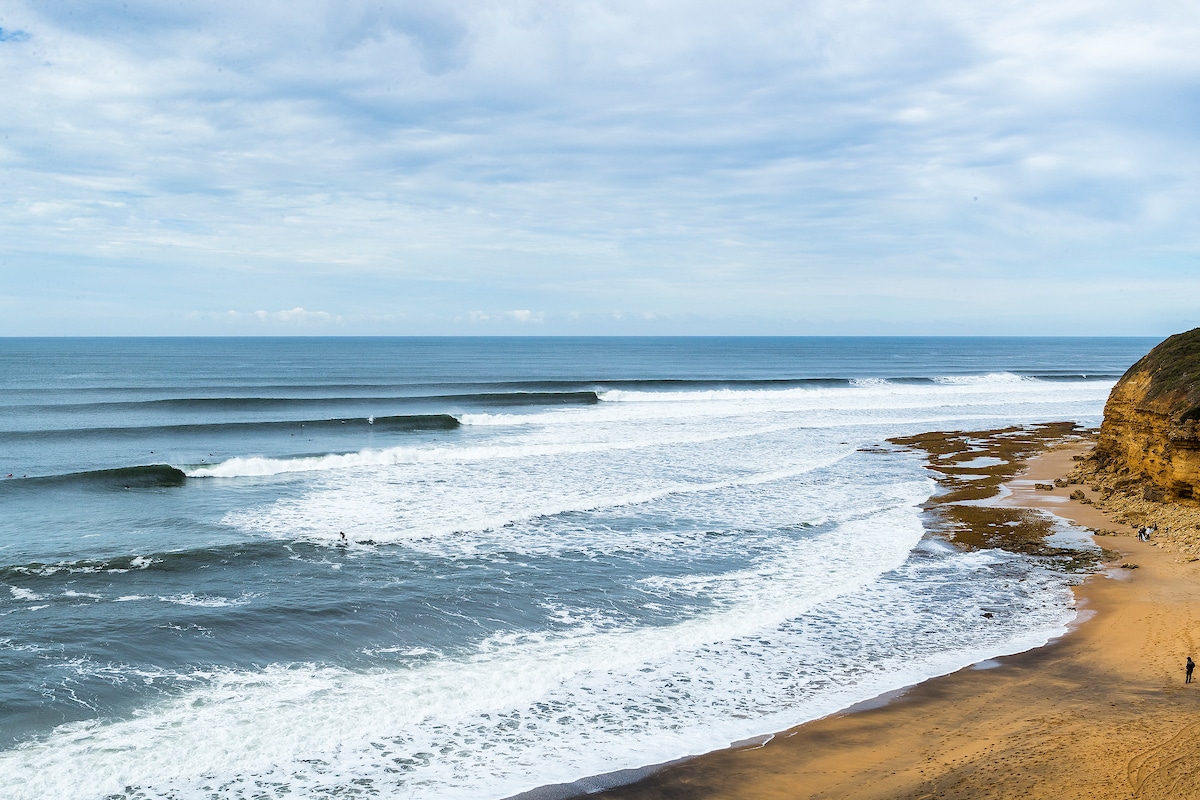
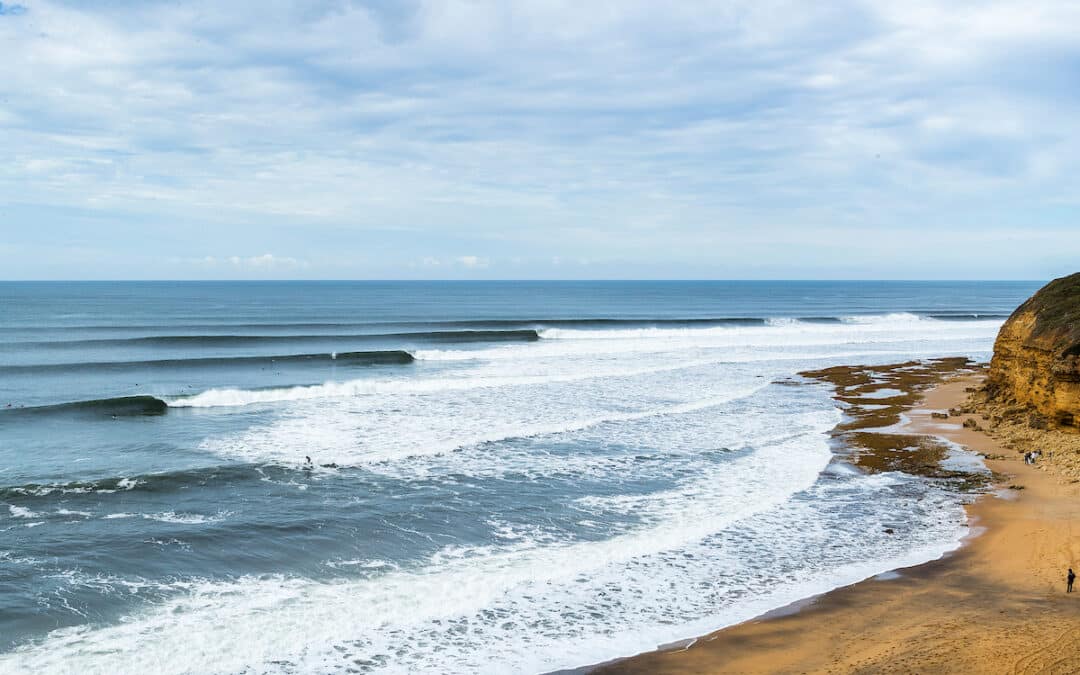
The World Surf League (WSL) Championship Tour (CT) will commence its 2026 season with the Rip Curl Pro Bells Beach Presented by Bonsoy. To celebrate the 50th year of the World Tour, competitive surfing’s longest-running event will open the season for the first time in 25 years. Held April 1 - 11, the iconic Bells Bowl will light up with the Tour’s elite, including a host of returning World Champions and a new Rookie class.

Largest-Ever Field of World Champions Set for 2026 Title Race Starting at Bells


The 2026 season will see 10 World Champions competing, the most to feature in a single season in the CT’s 50-year history. Headlined by reigning World Champion Molly Picklum (AUS), a record six World-Title-winning women will be on Tour. Eight-time World Champion Stephanie Gilmore (AUS) and five-time World Champion Carissa Moore (HAW) will return to full-time competition for the first time since 2023, joining two-time World Champion Tyler Wright (AUS), 2024 World Champion Caity Simmers (USA) and 2023 World Champion Caroline Marks (USA).


“I honestly think this is going to be an incredibly exciting year,” said Picklum. “It’s so fitting that after 50 years we’re going back to the dream tour and crowning world titles at Pipeline. Having more World Champions on tour than ever before says it all. I feel like this season will bring fireworks – it’s going to be one for the ages for sure.” 

On the men’s side, Brazil’s four most-recent World Title winners will be on Tour together for the first time since 2023, with reigning World Champion Yago Dora (BRA), three-time World Champion Gabriel Medina (BRA), two-time World Champion Filipe Toledo (BRA) and 2019 World Champion Italo Ferreira (BRA) all vying to add to their Title count.

“I’m very happy to get the season started,” said Dora. “It’s been a long and very busy break, so I'm really keen to get back to surfing some heats! I think this will be a very special season. Bells is an event I'm really looking forward to. It challenges me and I don’t think I’ve surfed it to my full potential yet, so lots of room for improvement there. Winning a Bell has always been a dream of mine!”


The coming season will also be the first to feature all four of surfing’s Olympic Gold Medalists as full-time CT members, with 2025/2026 Challenger Series Winner Kauli Vaast (FRA) joining fellow Paris 2024 Gold Medalist Caroline Marks (USA), along with Italo Ferreira (BRA) and Carissa Moore (HAW), the Tokyo 2020 Gold Medalists. The two men’s Olympic Silver Medalists, Jack Robinson (AUS) and Kanoa Igarashi (JPN), shared the Bells Final in 2025 and both continue to hunt their first World Title on the CT in 2026.

50 Years of the World Tour

The 50th edition of the World Tour will feature a combined men's and women's 12-stop global tour, an increased women's field (24 up from 18), the removal of non-elimination rounds and a revitalized Pipe Masters that will close the season with a high-stakes, all-inclusive World Title showdown awarding 1.5x the points for the winners. The 2026 World Champions will be decided by season-long rankings and the man and woman with the most points after Pipe will be crowned.

To celebrate 50 years of the World Tour, the WSL has today launched a new campaign, "Imagine What’s Next”, built on the belief that surfing’s best days are ahead with a surfer-first, fan-driven, and forward-looking focus. Anchored by a new hero film narrated by three-time World Champion Mick Fanning (AUS) in English, and 2019 World Champion and 2020 Gold Medalist Italo Ferreira (BRA) in Portuguese, the campaign honors the depth of the sport’s history while making the case that the most exciting era of competitive surfing is happening right now.

The Rip Curl Pro Bells Beach Presented by Bonsoy will run at Bells Beach from April 1 - 11, 2026. The competition will be broadcast LIVE on WorldSurfLeague.com and the free WSL app. Also, check out more ways to watch from the WSL’s broadcast partners.

Insane French Pits

Insane French Pits

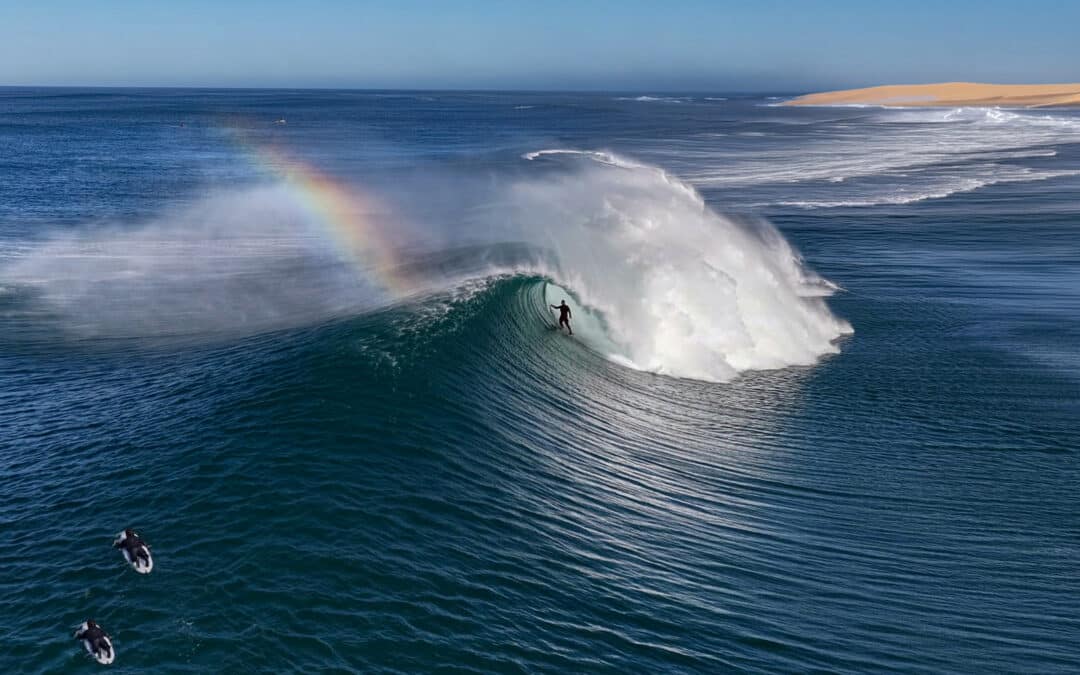
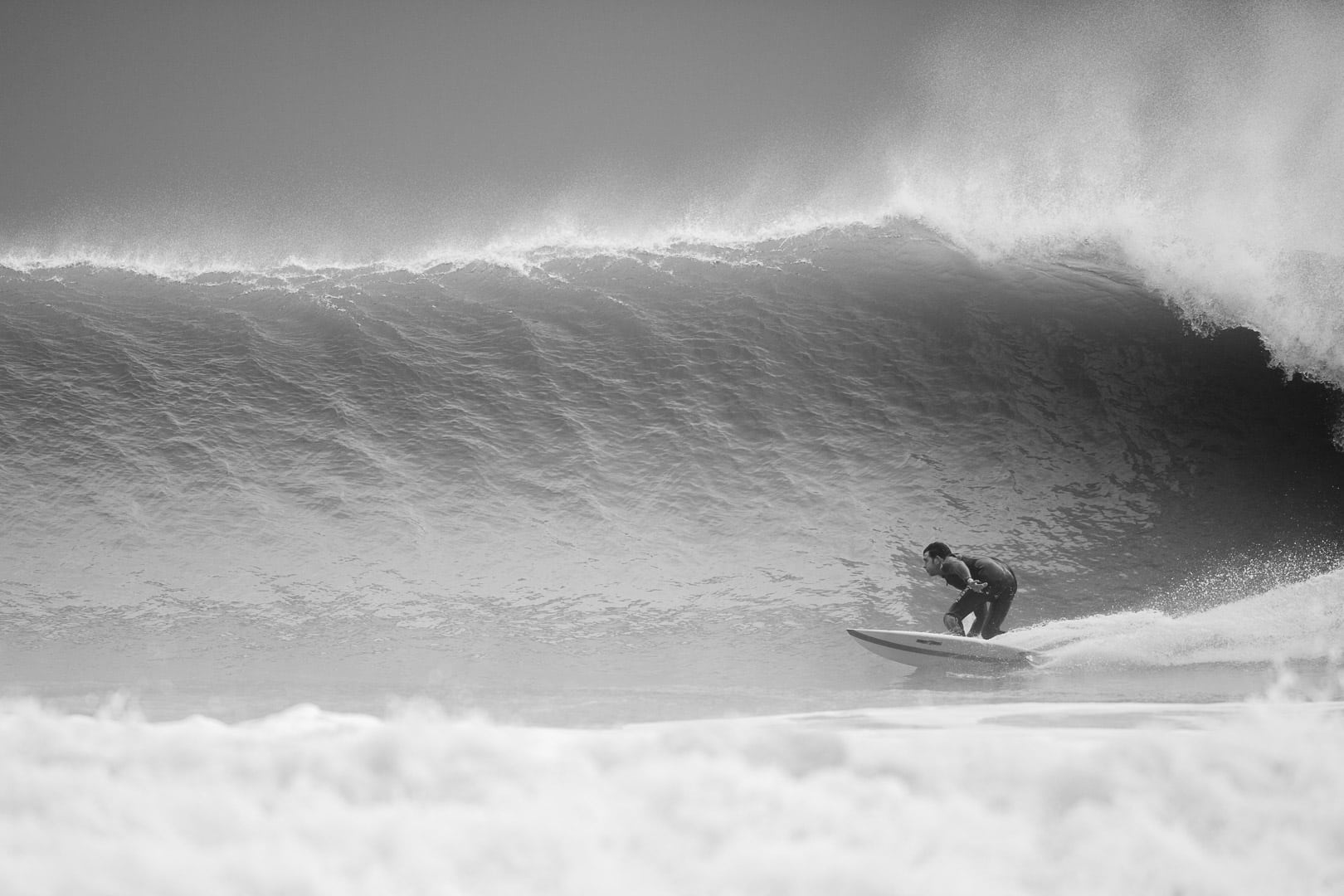
Hossegor delivered one of the best surf days seen in years. Massive barrels at La Nord and wild caverns at La Gravière.

After one of the quietest winters in recent memory, the French coast finally came alive. Last Wednesday brought the kind of surf locals will be talking about for years.

At low tide, La Nord in Hossegor turned into a full-blown barrel machine — massive waves, perfectly shaped tubes, and powerful lines running down the sandbank. As the tide pushed in, the action shifted to La Gravière, where the bank sat exactly where surfers dream of it. Deep caverns, heavy drops, and relentless barrels lit up the afternoon.

Days like this are rare on this beautiful but notoriously fickle beach break. After such a timid winter, it feels like a return to the kind of surf Hossegor is famous for. Welcome to Hossegor, France — the European barrel capital.

In Conversation with Gary Knights

In Conversation with Gary Knights

As part of Carve Collective, we are catching up with surfers, shapers, photographers and all round local legends across the UK and Ireland.

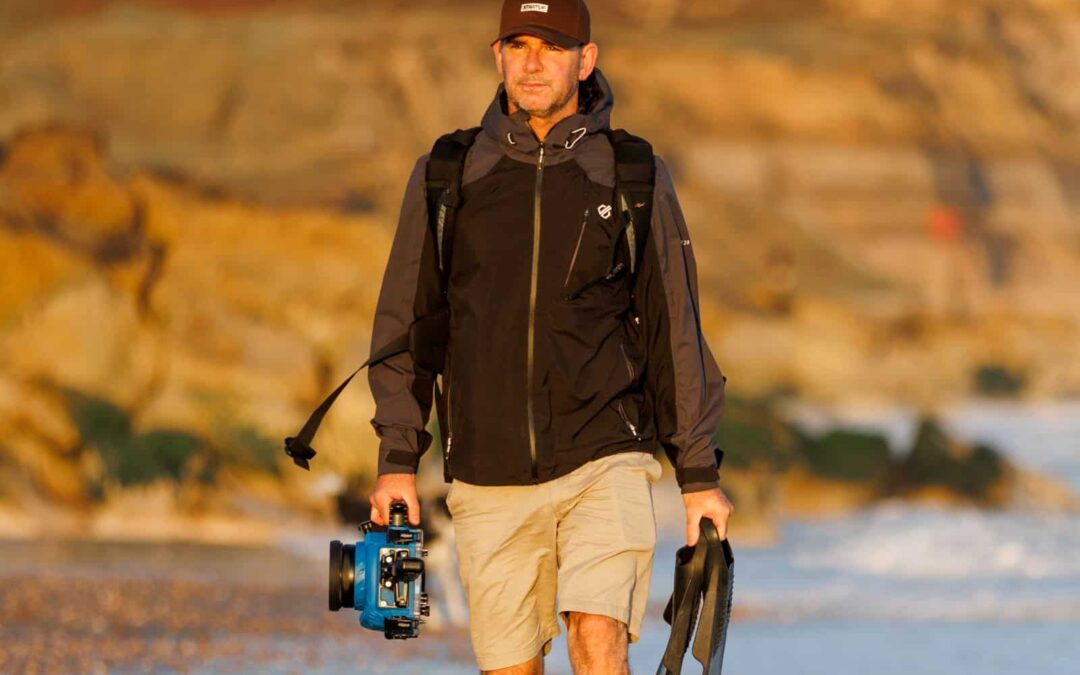
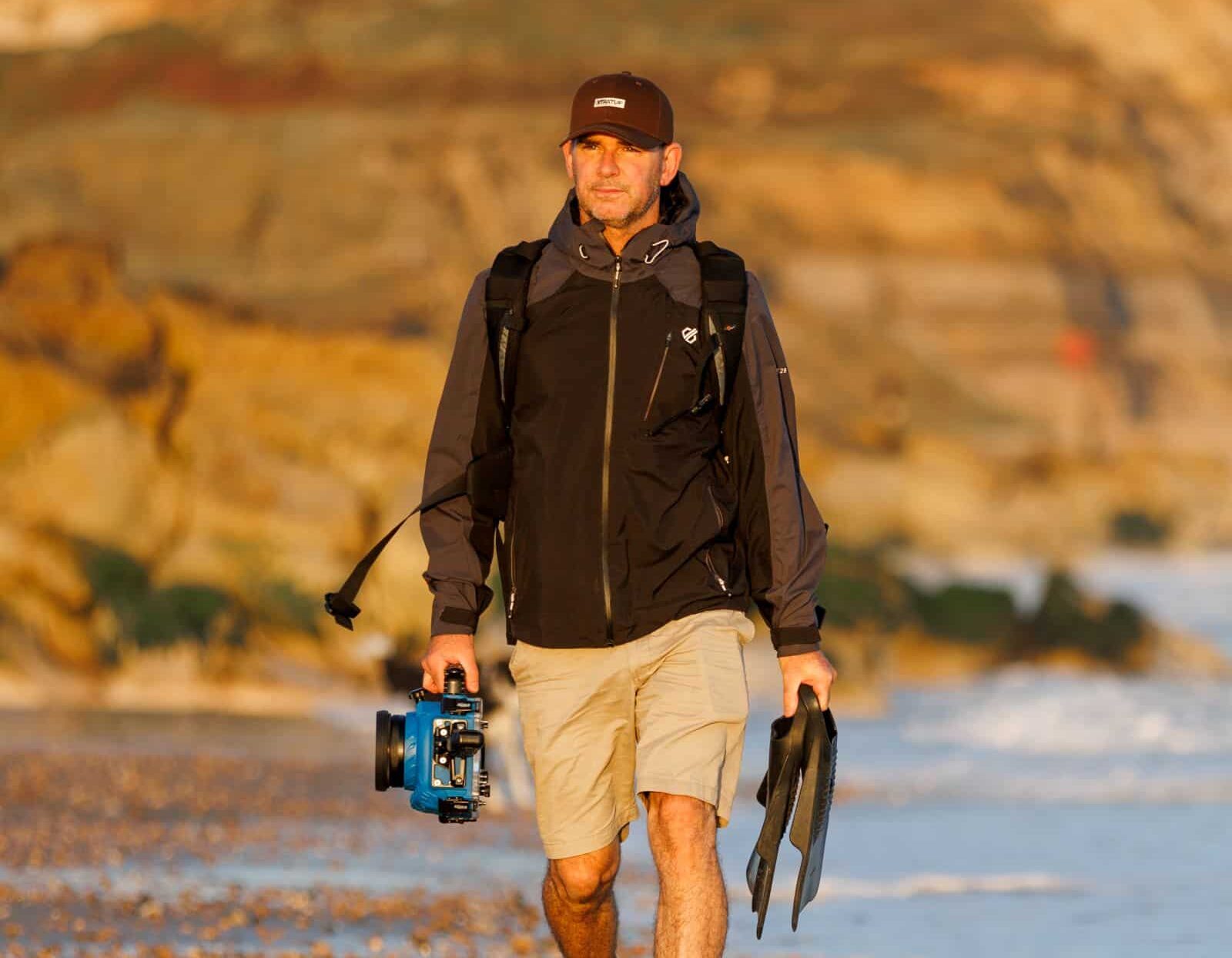
Making our way along the coast, we catch up with Bournemouth photographer Gary Knights to talk surf, photography and life behind the lens. Known for capturing the energy of the UK surf scene, Gary has spent years documenting sessions, surfers and the culture that surrounds them.

Give us the basics - who are you, where are you based, and what’s your lane?

My name is Gary Knights, I’m from Christchurch on the South Coast of Dorset. Currently living in Southbourne, a suburb of Bournemouth. I’m a heating engineer, surfer, surf photographer, occasional writer and also enjoy nature photography mainly underwater whilst free diving.

What does a normal week look like for you right now?

My weeks recently have been filled mainly with work, winter is always a busy time for me as its heating season so missing surf is unfortunately inevitable but with spring looming the nights and mornings are getting drawn out and I feel like I’m able to look at weather charts again without getting the hump.If there’s no surf I do try and get out mega early in the mornings looking for some of my favourite species to photograph if the weather is good, the few hours either side of dawn and sunrise are always amazing and I love nothing better than hiking through the amazing countryside with just a camera and no one around, the best thing… its all before my 9-5 starts.

What keeps you hooked on surfing at this stage?

I do still love surfing and always have since my first introduction to it whilst on a family holiday in Freshwater West in Wales aged 11, the weather was blowing a hoolly, raining and I remember battling against the horrendous winds in just a pair of shorts and king polystyrene board tucked under the arm I can still remember it flexing so badly in the wind I was just waiting for a board ending snapping noise!

After a few days of some impressive belly rides and some of the worst chest and rib rashes known to mankind it soon led to the next phase… a shopping trip with my Dad down to the local surf shop to find a “proper” second hand surfboard, leash and amazing smelling block of wax, and that was it …I was hooked for life! The feeling never left and its shaped my life in so many ways on the journey that is surfing.

I think the thing that keeps me hooked is everything that comes with surfing… friends, travel, nature, (some of the most amazing wildlife experiences I’ve ever had have happened whilst surfing) being out in ever changing environments, both weather and waves, often challenging and other times just quiet a serene, I do also love board design and trying different surf crafts keeps things fresh and most importantly fun!

What are you working on or trying to improve?

I still like to keep fit for surfing a I have always been trying to improve generally. I like good waves but my motivation has dropped a bit over the last few years for below average waves, which living on the South Coast doesn’t help. Bournemouth has really suffered recently surf wise, crowds, sand banks in winter being washed away and pollution have really put me off so that’s hit my mo-jo a bit so I think that’s something I need to improve. Ssaying that I also feel pretty content too and know if it's good I will still get some waves.

What or who has been inspiring you lately?

Just recently I saw Russ Winter absolutely smashing a couple of heats against full time professionals out in Barbados, Russ has always had the bulldog spirit within and has had some pretty challenging times over the years after being one of the most successful European surfers ever.

Seeing what he has achieved fitness wise this year and surfing that well in that contest at the age 50 is inspiring. I also get inspired by people who go after their dreams and create a lifestyle or job that can mean living outside the norm.

Just wanted to give a massive shout out for one such person that has always lived like this… Cam Treble. In July Cam broke his spine in a paragliding accident and was told he would never walk again, the following is just a small excerpt from from one of his recent FB posts “I’m in a wheelchair now. But I’m still here. Still breathing. Still fighting. And more determined than ever live fully and with purpose. Everyday, I choose resilience over regret, growth over grief, and power over pain. This isn’t the end, far from it. Its a new chapter. Maybe even a whole book.” Cam Treble.

Now thats inspiring! That’s it in a nutshell.

What are your plans for the future, near or far?

I really want to try a find some blue fin tuna this coming summer season down in Cornwall and try
and get some good underwater shots of them. Tuna are back in the UK with a bang now, in recent
years mainly in the South West and also here in the English Channel.

Generally I want to get more free diving in this summer and also try and get away later in the year
to somewhere with some bigger fauna, although I saw humpback whales in Australia a few years
ago I still would like to get somewhere like Tonga to see them and get some dream photos looking
into their eyes, that’s definitely on my bucket list.

Surfing wise I hope to get to France again later this summer. Ive never had a bad trip down there,
food, wine, surf…every time I’m back I always think to myself “why have I left it so long”

Shout out one local spot, person, or brand that deserves more love.

Just wanted to shout out the Boyz at FOAMLIFE a local to Bournemouth surf brand with some incredible comfortable flip flops with a commitment to sustainability and eco-concious products. The brand is going from strength to strength and now available worldwide. Timo and Karl havedone such an amazing job.

Any closing remarks?

A BIG thank you to you guys Guys!… CARVE magazine… still in print and keeping the stoke alive. Its still great to be able to have shots and stories printed and thanks for your support over the years.

Keep up to date with Gary's work:

www.instagram.com/gary_knights/

Training for Surfing

Training for Surfing

Do you need to train for surfing?

Surfing might look effortless from the beach, but anyone who spends time in the water knows how demanding it really is. Long paddles, explosive take-offs, heavy wipeouts and repeated turns all place serious stress on the body. At the higher-performance end especially, surfing requires far more than just technique—it demands strength, power, endurance and resilience.

For years, training specifically for surfing carried a certain stigma, as if working out somehow went against the laid-back culture of the sport. But that mindset is shifting. As surfing continues to evolve, more surfers are recognising it for what it truly is: a high-performance sport that rewards physical preparation.

Even if you’re not chasing airs or competing on tour, improving your fitness can make a huge difference to how you feel in the water—longer sessions, stronger paddling and more control on the wave face. With that in mind, we asked Cornwall-based coaches Sam and Rob from Surf Performance Systems to break down the physical demands of surfing and share a workout designed to help surfers of any level get stronger, fitter and more capable in the water.

We’re Sam and Rob of Surf Performance Systems. From our own dedicated coaching facility here in Cornwall, we’ve been in the trenches since 2011, helping people get stronger, fitter, and more resilient. As surfers with a deep passion for the ocean, we set out to solve a problem: the fitness information available to most surfers is often fluffy and fails to address the true athletic demands of the sport.

Our experience is incredibly broad. We’ve coached a vast range of individuals, from professional surfers and top-tier competitive athletes to the dedicated “weekend warriors” trying to make the most of their time in the water. We’ve worked with people who simply want to look and feel better in their daily lives, and everyone in between. This has given us a unique, real-world insight into what it takes to improve human performance.

To ensure our methods were of the highest calibre, we spent years earning certifications, culminating in our UK Strength and Conditioning Association (UKSCA) accreditation in 2015. This isn’t just a piece of paper; it’s a guarantee that our approach is held to the highest standard. Surfing is a demanding sport, and it’s time surfers had access to the same quality of training as any other serious athlete.

The Demands: Surfing is Not a Laid-Back Sport
The culture is relaxed; the physical reality is not. A proper needs analysis reveals that surfing is an intermittent, high-intensity sport with demands similar to rugby or football. To improve, you must train for what the sport actually requires.


  • Conditioning: A session involves constant paddling (aerobic endurance) and short, explosive bursts of power for catching waves and performing maneuvers (anaerobic power). You need both a powerful engine and effective afterburners.

  • Upper Body Strength & Endurance: Paddling places immense, repetitive strain on the shoulders, back, and arms. Without targeted strength, this leads directly to overuse injuries.

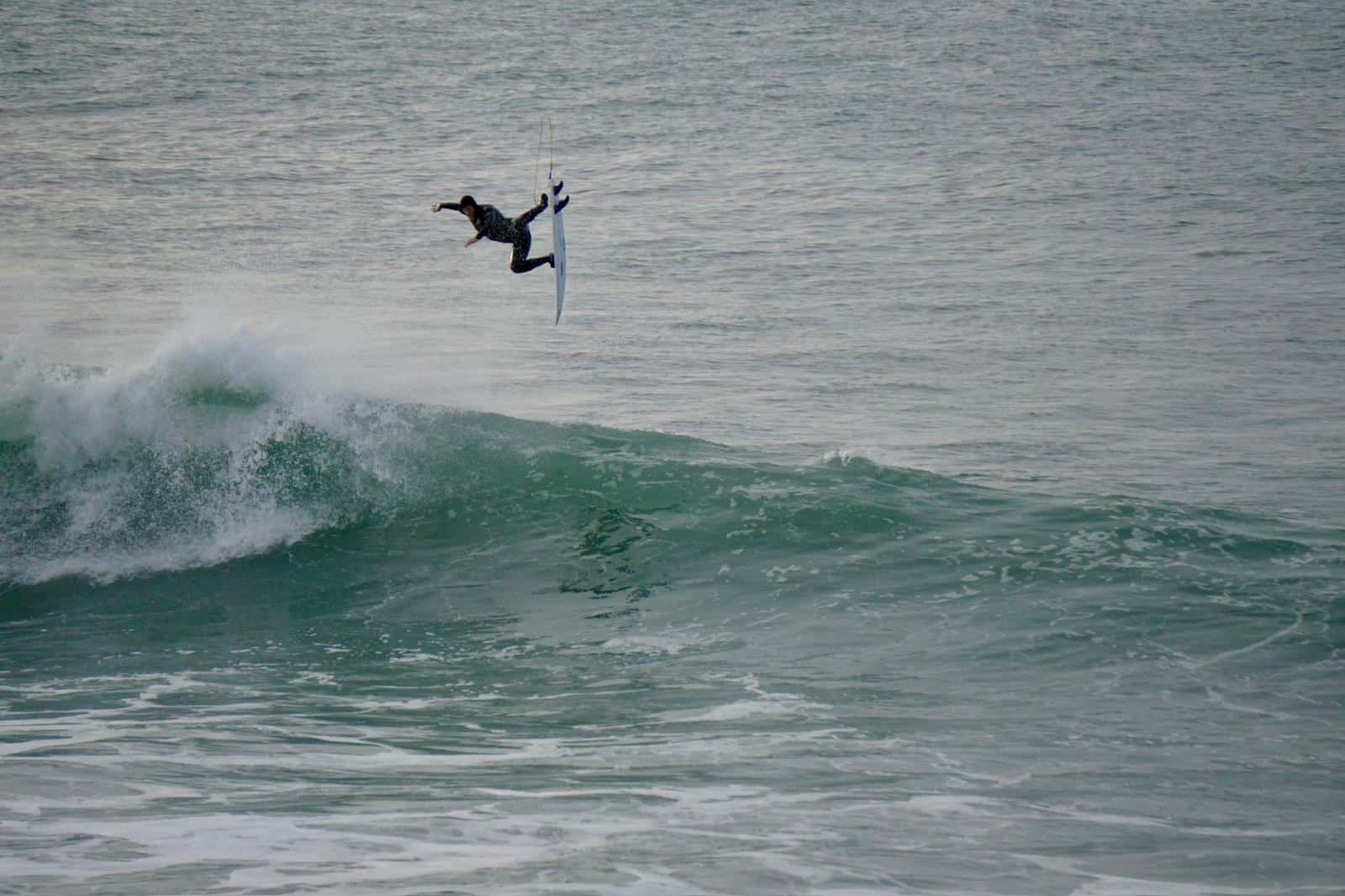
  • Lower Body Strength & Power: Wave riding is driven by the legs. Powerful turns require significant strength to pressurise the board’s rail. Aerials demand explosive power to launch and the strength to absorb high-impact landings.
  • Speed & Rate of Force Development (RFD): Surfing is fast. The pop-up, a critical turn, or a sprint paddle—these are all over in a fraction of a second. This isn’t just about being strong; it’s about how quickly you can produce that strength. This is a trainable skill, honing the brain-to-muscle connection to be as rapid and efficient as possible.

  • Mobility: Efficient paddling requires mobile shoulders. Powerful, rotational turns depend on mobile hips and a flexible upper back. Stiffness in these areas forces compensation, often leading to lower back pain.

  • Core Strength & Stability: Your core is the critical link for transferring strength from your lower body to your upper body (and vice-versa). A weak or unstable core leaks energy, reducing the power of your turns and paddle strokes. Core strength provides the stability needed to perform on an unstable surface.

Once you map the sport’s demands to an individual’s needs, you see clear parallels with other sports. The power of a sprinter, the rotational strength of a tennis player, the endurance of a rower—we can apply these proven principles to surfing.

The Blueprint: A Proper Training Session
Every session must be structured for maximum effect. We start with a RAMP warm-up—a non-negotiable component to prepare the body and embed skill work.

1. Raise: Elevate heart rate and core temperature (e.g., bike, rower).
2. Activate: Switch on key muscle groups for the session—glutes, back, shoulders, and core.
3. Mobilise: Move key joints through their full range of motion, focusing on ankles, hips, and the thoracic spine.
4. Prime (Potentiate): Fire up the nervous system with explosive movements like jumps and hops, preparing the body for power output.

Main Workout: Building The Athlete
This session uses supersets and tri-sets to build strength and power efficiently.

Part A: Explosive Power (3 sets)

• A1: Box Jump (5 reps) - Builds explosive power and safe landing mechanics.
• A2: Pogos (20 reps) - Trains rapid force production.
(Rest 60-90s between sets)

Part B: Foundational Strength (4 sets)

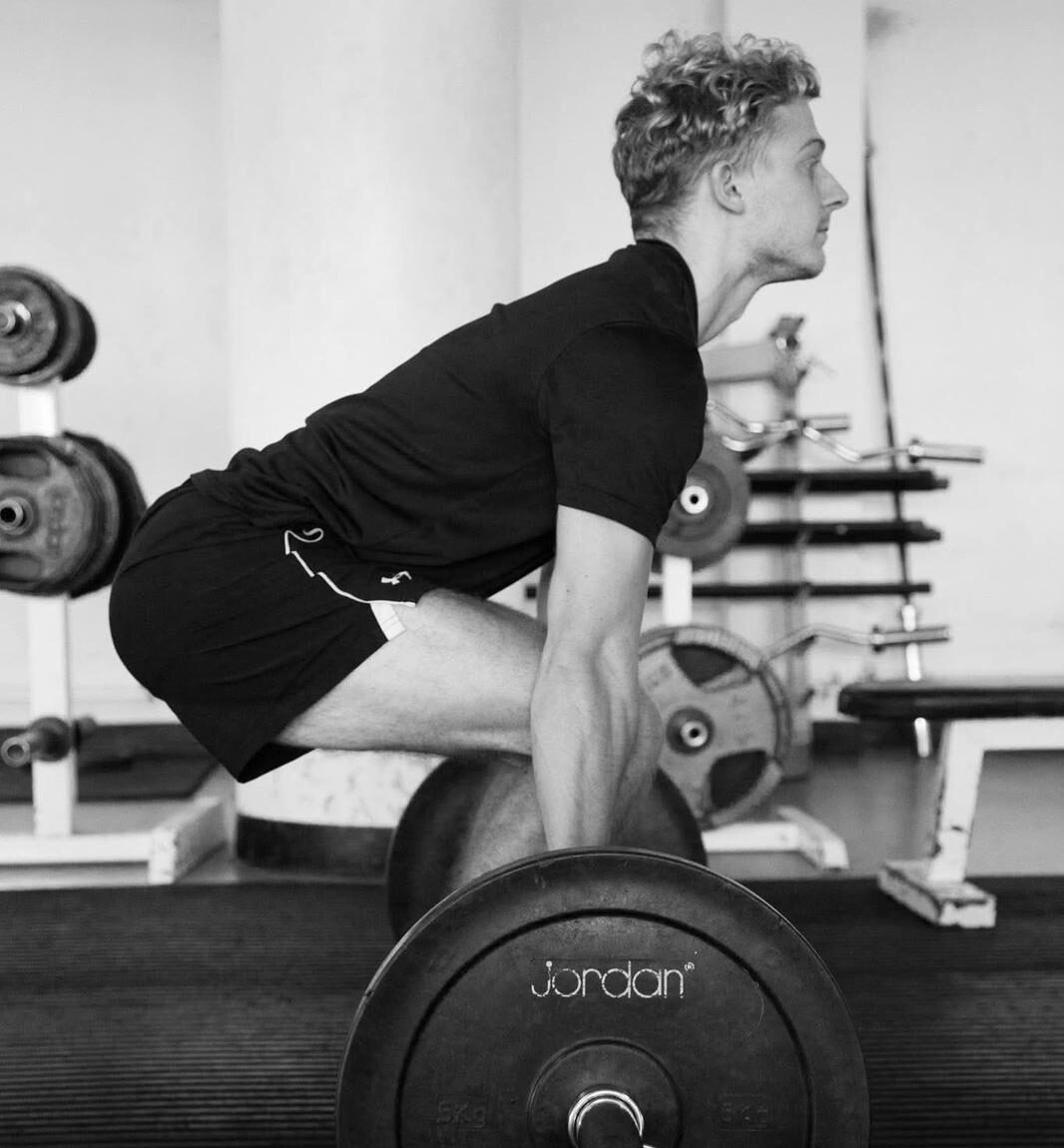
• B1: Trap Bar Deadlift (10 reps) - Develops powerful lower body strength.
• B2: Dumbbell Chest Press (10 reps) - Builds upper body pressing strength for shoulder health and balance.
(Rest 60-90s between sets)

Part C: Surf-Specific Strength & Stability (3 sets)

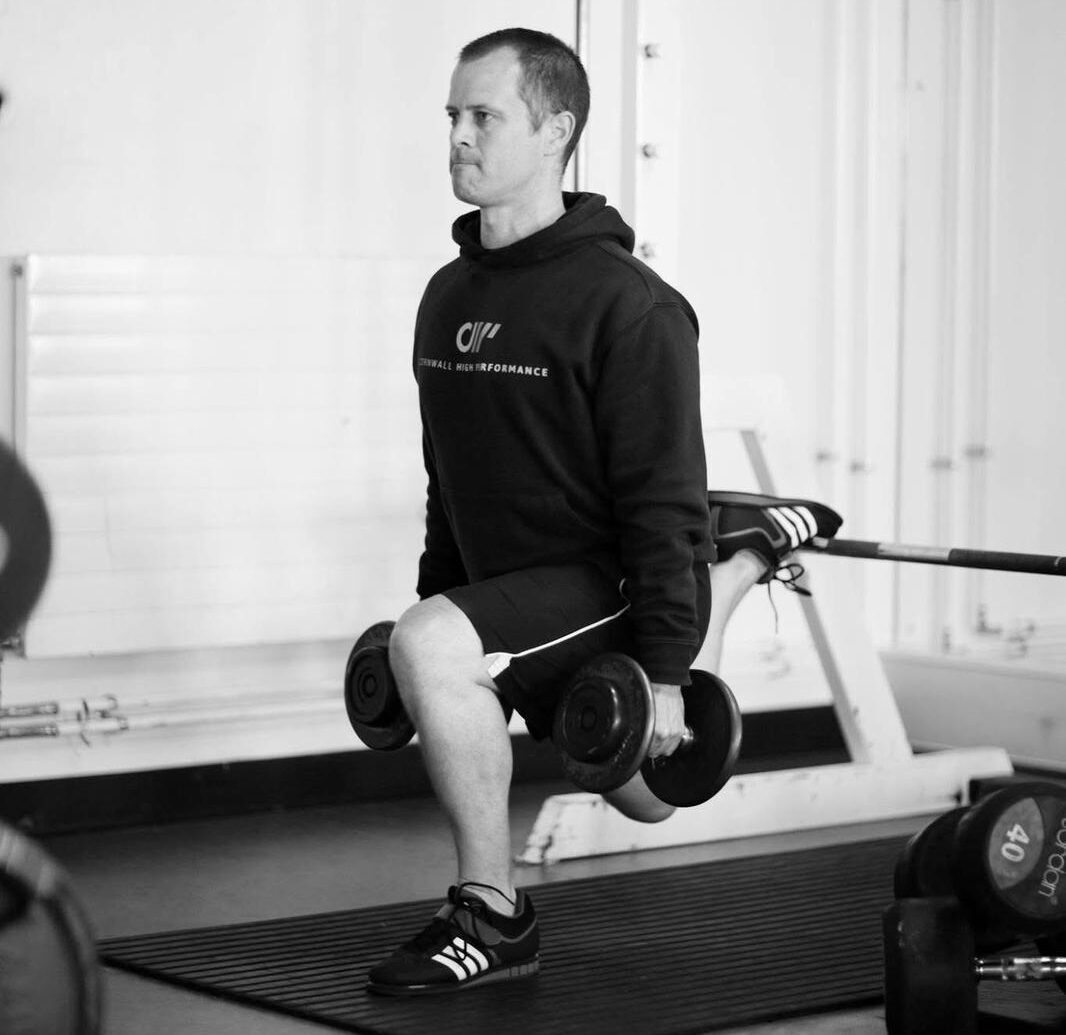
• C1: Rear Foot Elevated Split Squat (8-10 reps/leg) - Builds single-leg strength, crucial for turns.
• C2: Pull-Up (As Many Reps As Possible) - The primary builder for paddling power.
• C3: Pallof Press (10 reps/side) - Develops core stability to resist rotation.
(Rest 90s between sets)

Conditioning: Building the Engine on Land
Surfing uses your fitness; it doesn’t effectively build it. Use flat days for dedicated conditioning work. Do these on separate days from your strength session.

1. Aerobic Session (The Endurance Engine)

• What: 30-60 minutes of steady-state cardio (run, row, bike).
• Intensity: RPE 6-7/10. You should be able to hold a conversation.
• Why: Builds stamina for longer sessions and faster recovery.

2. Anaerobic Session (The Turbo-Boost)

• What: High-intensity intervals. Example: 30 seconds all-out work, 90 seconds active recovery. Repeat 8-10 times.
• Intensity: RPE 9-10/10 during the work period.
• Why: Increases your capacity for repeated, high-power efforts like sprint paddling and explosive turns.

This framework is not just for elite athletes. The principles and the workout itself are scalable to any level. The journey is what matters, and everyone starts somewhere:

• If you are new to training: Your focus is singular: master the movements. Concentrate on your form and control with lighter loads. Your goal is to build a solid foundation, and you can increase the weight and intensity over time as you become more confident.
• If you are an experienced lifter: You will challenge yourself differently. Your focus will be on maximising output—jumping higher, moving faster, and lifting heavier loads. You will push the intensity on the conditioning sessions and aim for more reps on the bodyweight exercises.

Regardless of your starting point, the goal is the same: to build a stronger, faster, and more resilient version of yourself. This structured approach will not only elevate your performance in the water but will also build a body that is better prepared to handle the demands of the sport for years to come.