

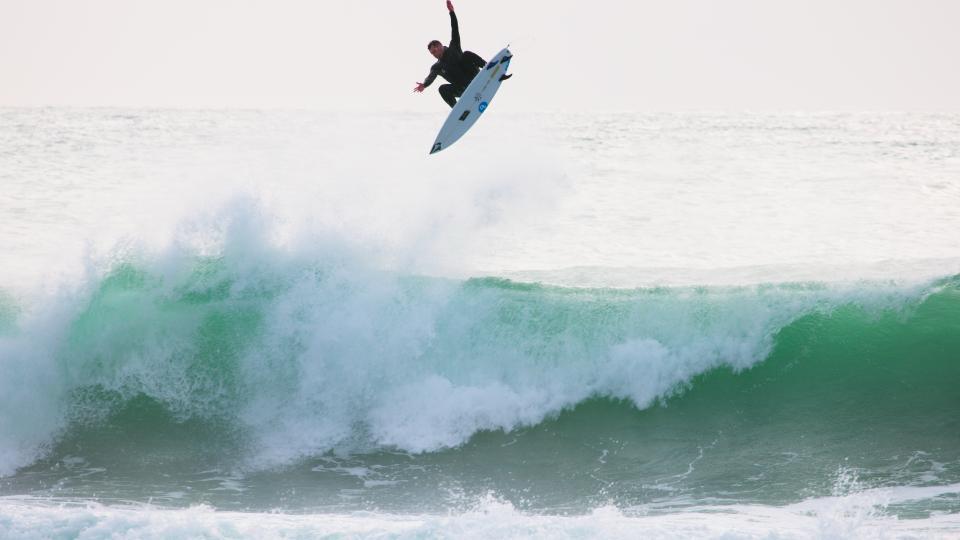
Do you need to train for surfing?
Surfing might look effortless from the beach, but anyone who spends time in the water knows how demanding it really is. Long paddles, explosive take-offs, heavy wipeouts and repeated turns all place serious stress on the body. At the higher-performance end especially, surfing requires far more than just technique—it demands strength, power, endurance and resilience.
For years, training specifically for surfing carried a certain stigma, as if working out somehow went against the laid-back culture of the sport. But that mindset is shifting. As surfing continues to evolve, more surfers are recognising it for what it truly is: a high-performance sport that rewards physical preparation.
Even if you’re not chasing airs or competing on tour, improving your fitness can make a huge difference to how you feel in the water—longer sessions, stronger paddling and more control on the wave face. With that in mind, we asked Cornwall-based coaches Sam and Rob from Surf Performance Systems to break down the physical demands of surfing and share a workout designed to help surfers of any level get stronger, fitter and more capable in the water.
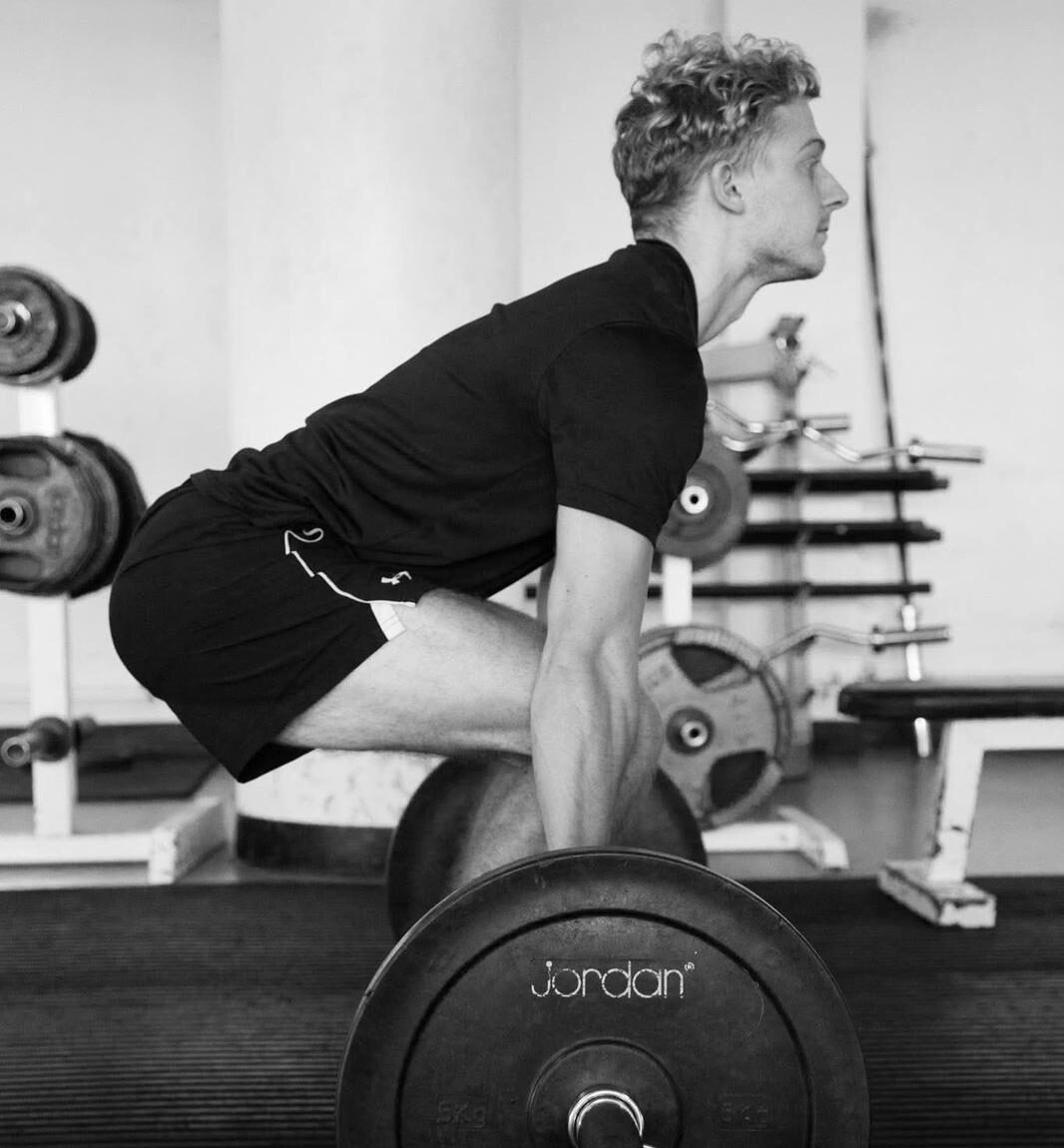
We’re Sam and Rob of Surf Performance Systems. From our own dedicated coaching facility here in Cornwall, we’ve been in the trenches since 2011, helping people get stronger, fitter, and more resilient. As surfers with a deep passion for the ocean, we set out to solve a problem: the fitness information available to most surfers is often fluffy and fails to address the true athletic demands of the sport.
Our experience is incredibly broad. We’ve coached a vast range of individuals, from professional surfers and top-tier competitive athletes to the dedicated “weekend warriors” trying to make the most of their time in the water. We’ve worked with people who simply want to look and feel better in their daily lives, and everyone in between. This has given us a unique, real-world insight into what it takes to improve human performance.
To ensure our methods were of the highest calibre, we spent years earning certifications, culminating in our UK Strength and Conditioning Association (UKSCA) accreditation in 2015. This isn’t just a piece of paper; it’s a guarantee that our approach is held to the highest standard. Surfing is a demanding sport, and it’s time surfers had access to the same quality of training as any other serious athlete.
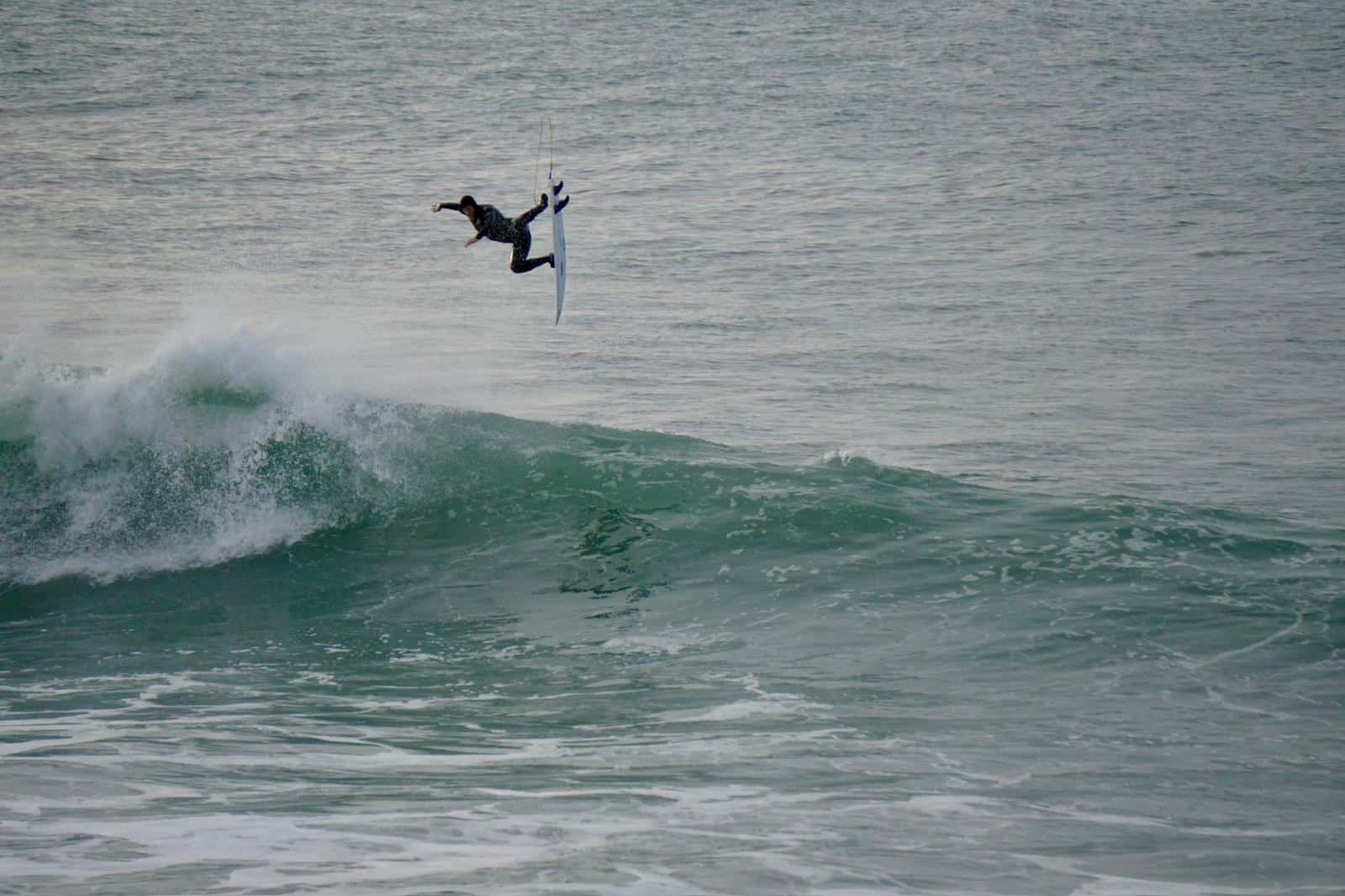
The Demands: Surfing is Not a Laid-Back Sport
The culture is relaxed; the physical reality is not. A proper needs analysis reveals that surfing is an intermittent, high-intensity sport with demands similar to rugby or football. To improve, you must train for what the sport actually requires.
- Conditioning: A session involves constant paddling (aerobic endurance) and short, explosive bursts of power for catching waves and performing maneuvers (anaerobic power). You need both a powerful engine and effective afterburners.
- Upper Body Strength & Endurance: Paddling places immense, repetitive strain on the shoulders, back, and arms. Without targeted strength, this leads directly to overuse injuries.
- Lower Body Strength & Power: Wave riding is driven by the legs. Powerful turns require significant strength to pressurise the board’s rail. Aerials demand explosive power to launch and the strength to absorb high-impact landings.
- Speed & Rate of Force Development (RFD): Surfing is fast. The pop-up, a critical turn, or a sprint paddle—these are all over in a fraction of a second. This isn’t just about being strong; it’s about how quickly you can produce that strength. This is a trainable skill, honing the brain-to-muscle connection to be as rapid and efficient as possible.
- Mobility: Efficient paddling requires mobile shoulders. Powerful, rotational turns depend on mobile hips and a flexible upper back. Stiffness in these areas forces compensation, often leading to lower back pain.
- Core Strength & Stability: Your core is the critical link for transferring strength from your lower body to your upper body (and vice-versa). A weak or unstable core leaks energy, reducing the power of your turns and paddle strokes. Core strength provides the stability needed to perform on an unstable surface.
Once you map the sport’s demands to an individual’s needs, you see clear parallels with other sports. The power of a sprinter, the rotational strength of a tennis player, the endurance of a rower—we can apply these proven principles to surfing.
The Blueprint: A Proper Training Session
Every session must be structured for maximum effect. We start with a RAMP warm-up—a non-negotiable component to prepare the body and embed skill work.
1. Raise: Elevate heart rate and core temperature (e.g., bike, rower).
2. Activate: Switch on key muscle groups for the session—glutes, back, shoulders, and core.
3. Mobilise: Move key joints through their full range of motion, focusing on ankles, hips, and the thoracic spine.
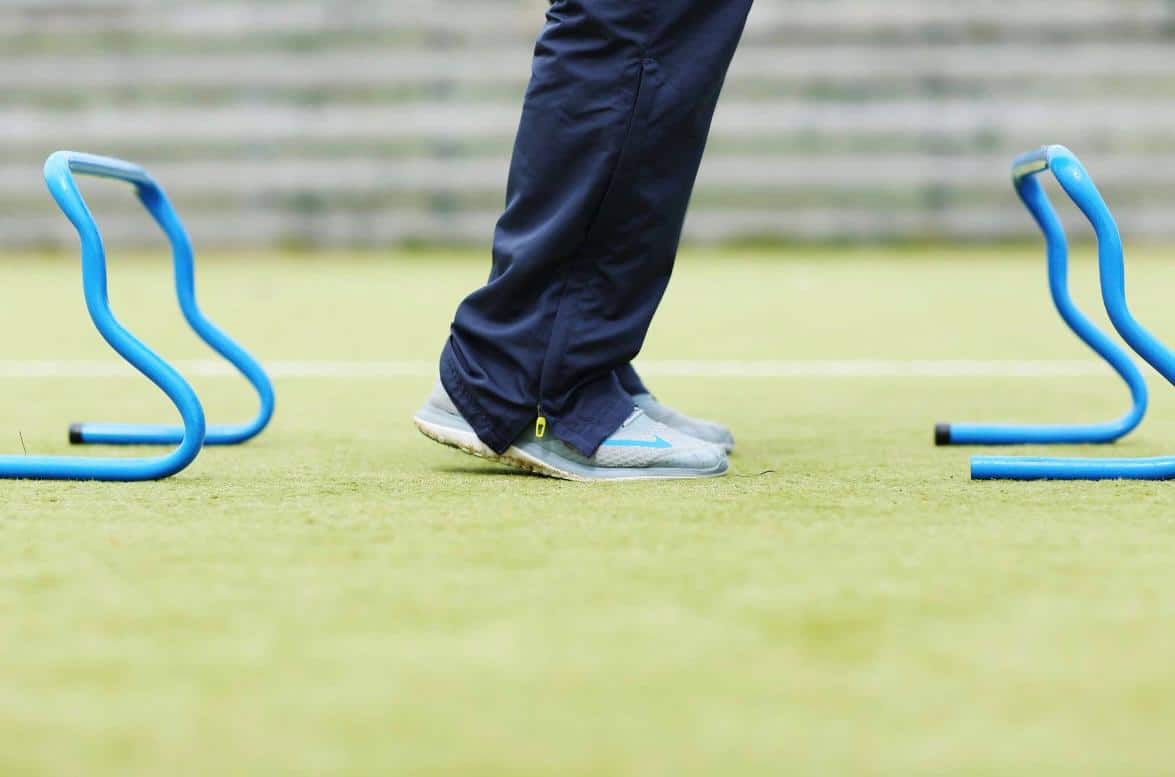
4. Prime (Potentiate): Fire up the nervous system with explosive movements like jumps and hops, preparing the body for power output.
Main Workout: Building The Athlete
This session uses supersets and tri-sets to build strength and power efficiently.
Part A: Explosive Power (3 sets)
• A1: Box Jump (5 reps) - Builds explosive power and safe landing mechanics.
• A2: Pogos (20 reps) - Trains rapid force production.
(Rest 60-90s between sets)
Part B: Foundational Strength (4 sets)
• B1: Trap Bar Deadlift (10 reps) - Develops powerful lower body strength.
• B2: Dumbbell Chest Press (10 reps) - Builds upper body pressing strength for shoulder health and balance.
(Rest 60-90s between sets)
Part C: Surf-Specific Strength & Stability (3 sets)
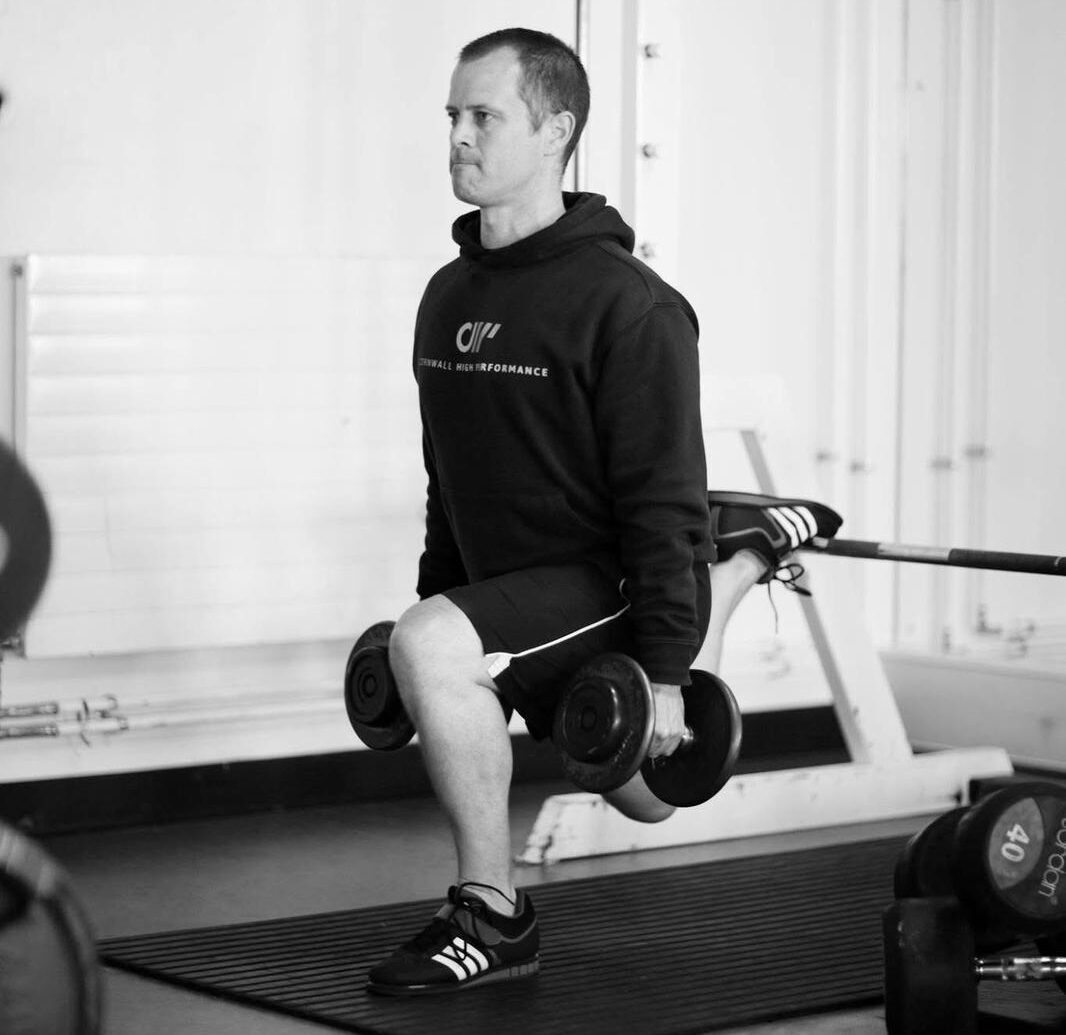
• C1: Rear Foot Elevated Split Squat (8-10 reps/leg) - Builds single-leg strength, crucial for turns.
• C2: Pull-Up (As Many Reps As Possible) - The primary builder for paddling power.
• C3: Pallof Press (10 reps/side) - Develops core stability to resist rotation.
(Rest 90s between sets)
Conditioning: Building the Engine on Land
Surfing uses your fitness; it doesn’t effectively build it. Use flat days for dedicated conditioning work. Do these on separate days from your strength session.
1. Aerobic Session (The Endurance Engine)
• What: 30-60 minutes of steady-state cardio (run, row, bike).
• Intensity: RPE 6-7/10. You should be able to hold a conversation.
• Why: Builds stamina for longer sessions and faster recovery.
2. Anaerobic Session (The Turbo-Boost)
• What: High-intensity intervals. Example: 30 seconds all-out work, 90 seconds active recovery. Repeat 8-10 times.
• Intensity: RPE 9-10/10 during the work period.
• Why: Increases your capacity for repeated, high-power efforts like sprint paddling and explosive turns.
This framework is not just for elite athletes. The principles and the workout itself are scalable to any level. The journey is what matters, and everyone starts somewhere:
• If you are new to training: Your focus is singular: master the movements. Concentrate on your form and control with lighter loads. Your goal is to build a solid foundation, and you can increase the weight and intensity over time as you become more confident.
• If you are an experienced lifter: You will challenge yourself differently. Your focus will be on maximising output—jumping higher, moving faster, and lifting heavier loads. You will push the intensity on the conditioning sessions and aim for more reps on the bodyweight exercises.
Regardless of your starting point, the goal is the same: to build a stronger, faster, and more resilient version of yourself. This structured approach will not only elevate your performance in the water but will also build a body that is better prepared to handle the demands of the sport for years to come.