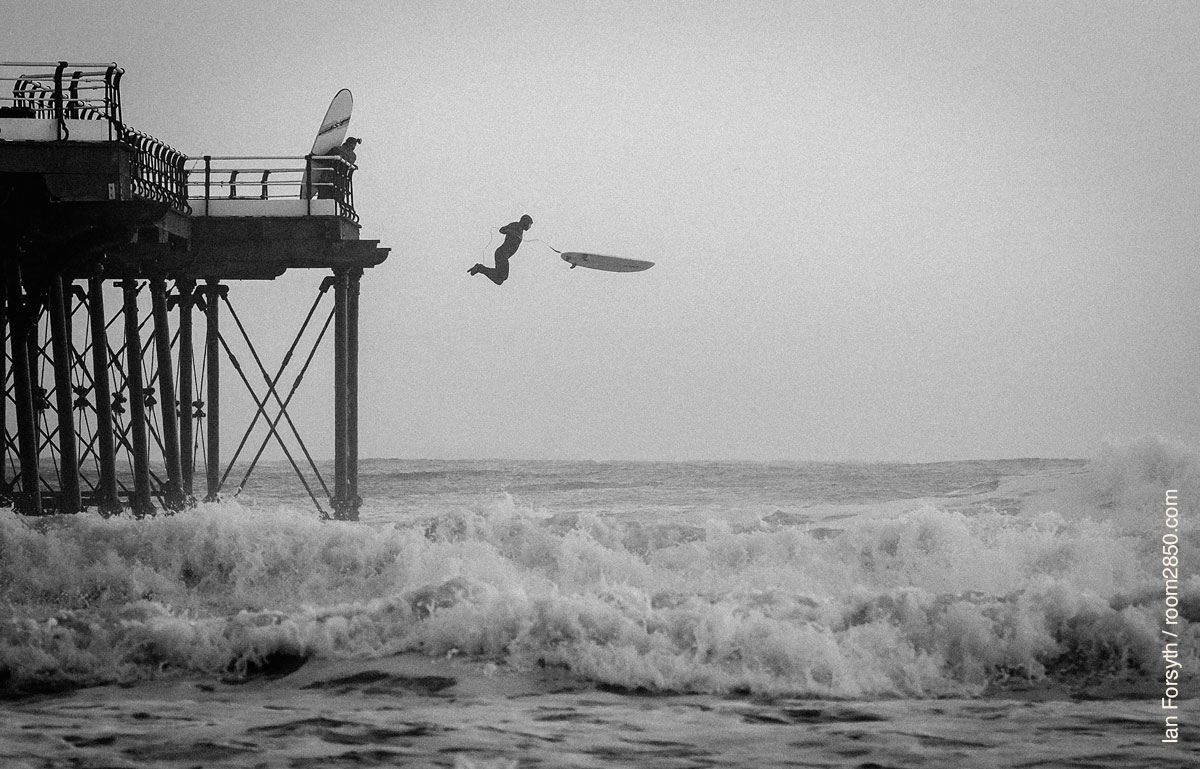
Interview: James Wilkinson Photo: Ian Forsyth / room2850.com
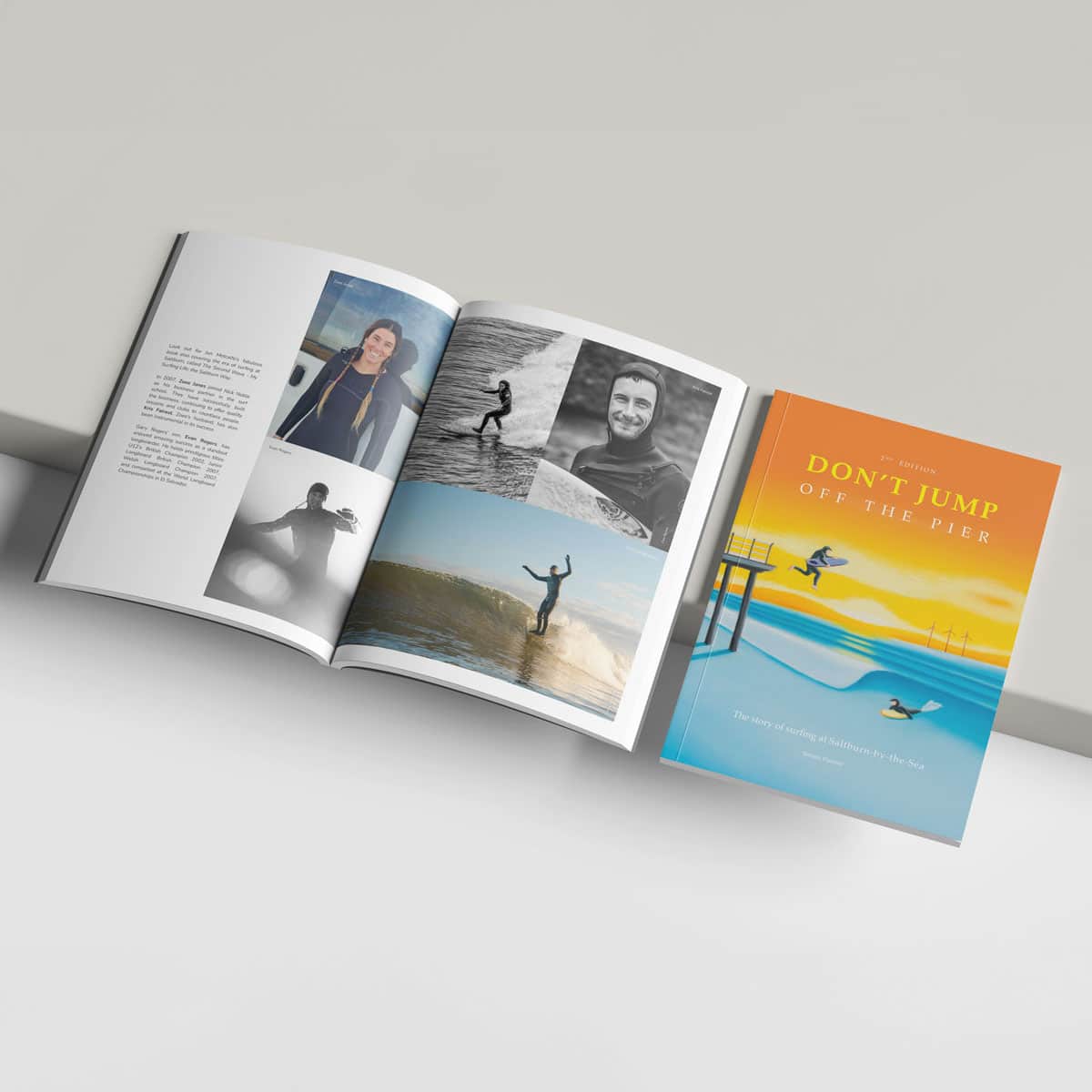
We caught up with Simon Palmer to talk about his book documenting the history of surfing at Saltburn-by-the-Sea.
Hi Simon, how are you doing? Can you introduce yourself to our readers?
I’m great thanks. I’m working in Greece currently. It’s a struggle to find waves in the Aegean Sea but they’re out there. And I’ll find them this winter. I’m a lifelong surfer, starting at 13 in Cape Town and now based in Northeast England for over 30 years. I’m still chasing waves and believe the Northeast has world-class surf.
What inspired the book about Saltburn surfing?
It started with a photo of surfers from 1965. Meeting pioneers like John Smith and Ian Roughton revealed a rich, undocumented history. The second edition updates that story, reflecting the growth of the scene—especially more women surfers—and Saltburn’s rising popularity.
How did the community shape the new edition?
Collaborations with local creatives like Matt Whaley and Emma Tweddle transformed the book into a more visual, inclusive project, blending photography with personal stories.
The sheer dedication. Surfers built their own boards, braved freezing waters, and created a scene from scratch with minimal resources—pure passion and resilience.
Plenty—like surfers riding waves in a Stetson, fainting from cold, or wiping out spectacularly off the pier. The town has always been full of colourful, tough characters.
It’s grown massively in popularity, but its core—hardiness, community, and love of the sea—remains unchanged.
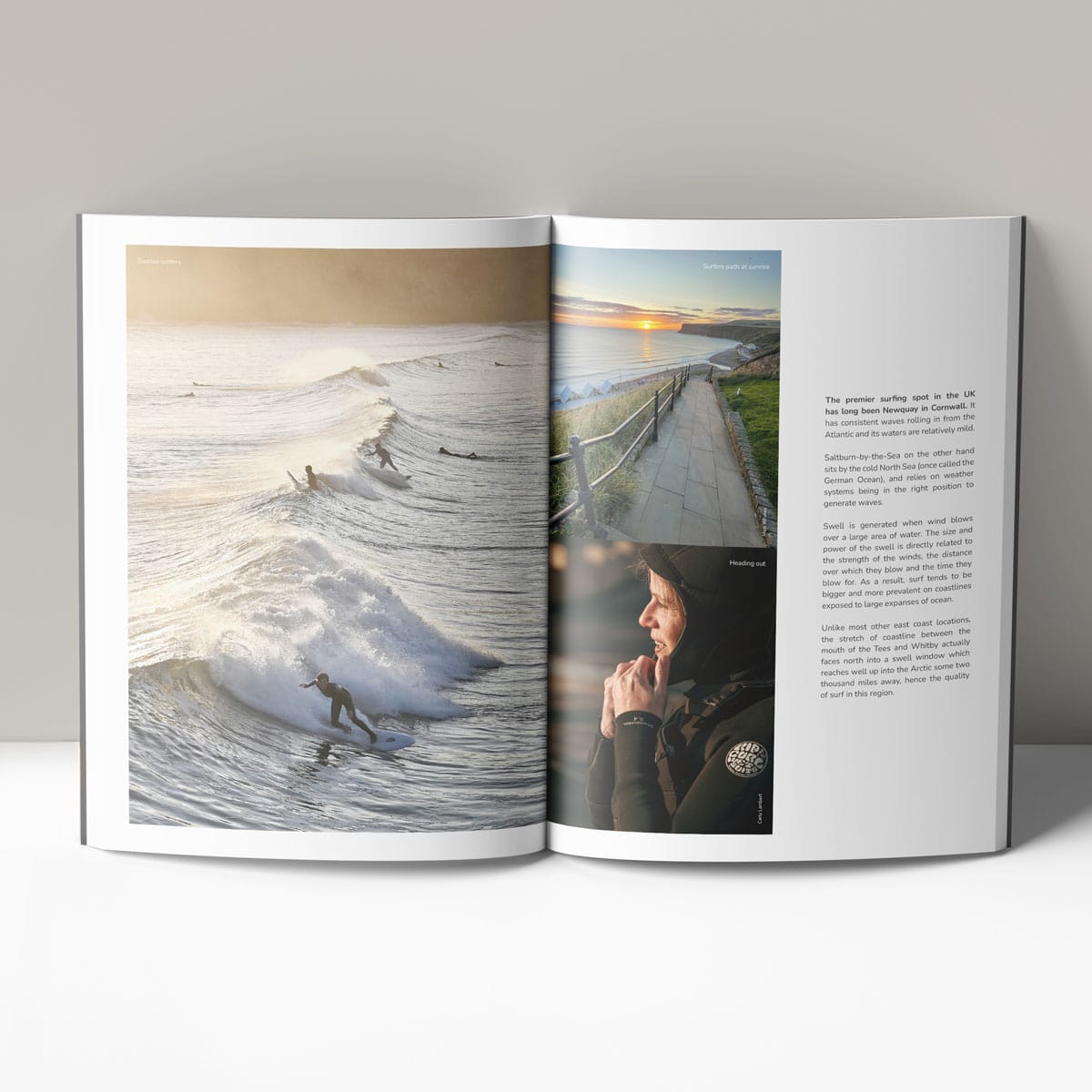
Surfing in Saltburn is still evolving, influenced by social change, tourism, and history. Capturing it means balancing past milestones with ongoing developments.
Cold water, strong tides, and hazards like the pier demand toughness and build character—it’s not an easy place to surf.
A mix of rugged conditions, varied waves, strong community, and a creative, bohemian town atmosphere.
It’s a personal celebration of Northeast surfing culture—preserving its stories and spirit for future generations.